MTTFd
Mean Time to Dangerous Failure. In a safety system MTTFD is the portion of failure modes that can lead to failures that may result in hazards to personnel, environment or equipment.
MTTFD is critical to the determination of the performance level of a safety system. [[ISO 13849]] defines three levels of MTTFD:
{| class="wikitable" |- ! Level achieved by channel !! Range of each channel |- | Low || 3 years ≤ MTTFD < 10 years |- | Medium || 10 years ≤ MTTFD < 30 years |- | High || 30 years ≤ MTTFD ≤ 100 years |- |}
[[ISO 13849]] prescribes three methods to determine the MTTFD of a safety channel:
use the manufacturer's failure data;
use the methods prescribed in Annexes C and D of ISO 13849-1
use 10 years (i.e. assume the channel has low integrity)
Mean Time to Failure (MTTF) is assumed constant during the useful life period of a component. The [[MTTF]] can be calculated according to:
: \text{MTTF} = \frac{1}{\lambda}[hours] !
where λ is the failure rate for the component.
The relationship between [[MTBF]] and [[MTTF]] is expressed as:
: \text{MTBF} = MTTF + MTTR !
where MTTR is the [[mean time to repair]].
The [[MTTF]] of a system is the sum of MTTFS and MTTFD. To understand the relationship between MTTFS and MTTFD consider the case of a switch that turns a motor on or off. The switch has two failure modes: the switch can fail stuck closed or the switch can fail stuck open. If the switch fails stuck open, the motor will never energize; as a result, the motor will not create any hazards due to its operation. In contrast, if the switch fails stuck closed, this failure can lead to a dangerous situation like for example the case where the operator needs to stop the motor, but the motor will not stop because the switch is stuck in the closed position. The failure mode where the switch is stuck in the open position is denominated the safe failure mode, whereas the stuck closed failure mode is denominated the dangerous failure mode. The likelihood of occurrence of a dangerous or safe failure may differ and is a function of several variables in the construction and design of a component. A poorly designed switch may have a higher proportion of dangerous failures (thus a lower MTTFD), whereas switches rated for use in safety circuits may very well preclude the occurrence of stuck closed failure modes (thus have infinite or very high MTTFD). Assessing the performance level of a safety system, requires knowing the distribution of the dangerous vs. safe failure modes of its components and ultimately a determination of its MTTFD.
==External links==
- {{cite web| url=http://www.eventhelix.com/RealtimeMantra/FaultHandling/reliability_availability_basics.htm| title=Reliability and Availability Basics| publisher=EventHelix}}
- {{cite web| url=https://machinerysafety101.com/2017/02/13/iso-13849-1-analysis-part-4/| title=ISO 13849–1 Analysis, Part 4: MTTFd Mean Time to Dangerous Failure | first=Doug| last=Nix| publisher=Machinery Safety 101| date=2017}}
{{DEFAULTSORT:Mean Time To Dangerous Failures}} [[Category:ISO standards|#13849]] [[Category:Safety codes]] [[Category:Reliability analysis]] [[Category:Engineering failures]]
From MOAI Insights
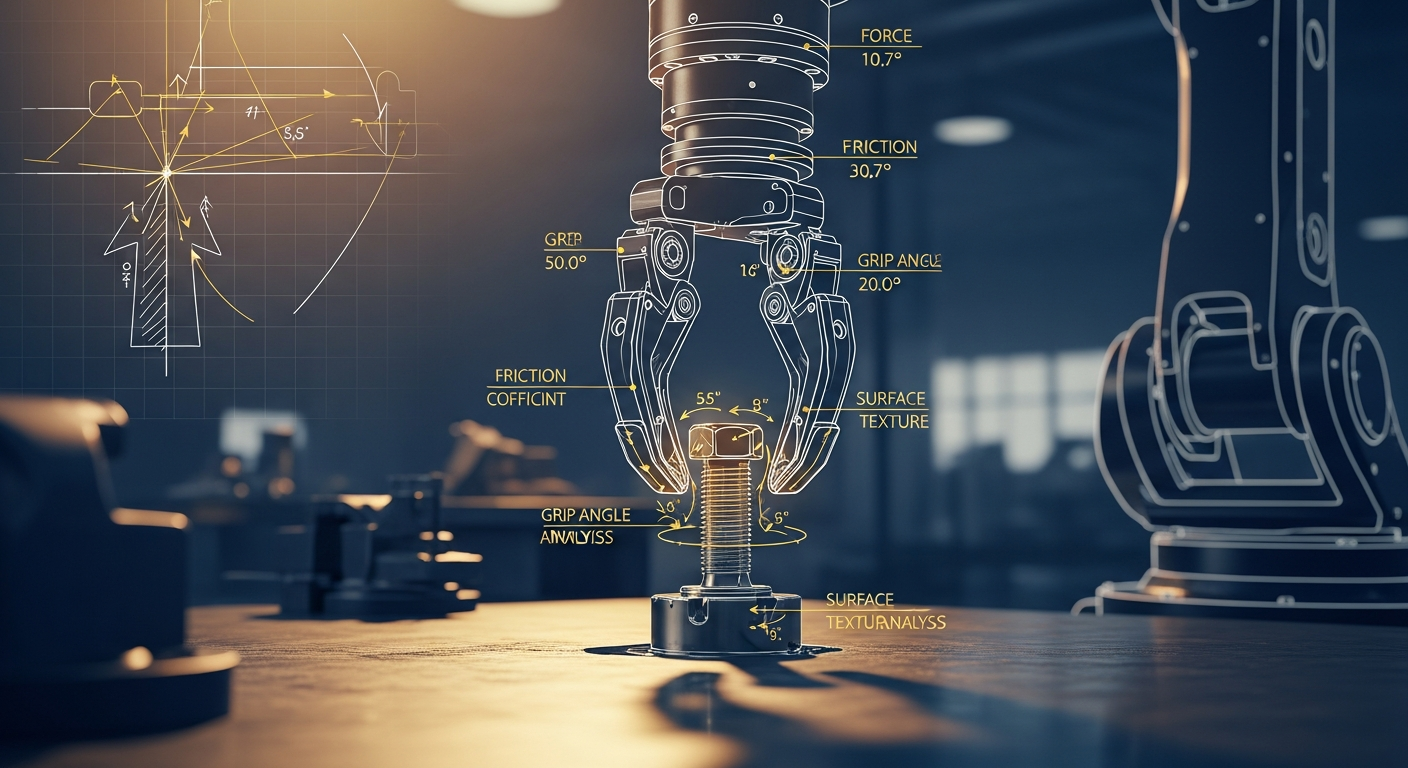
로봇은 왜 볼트를 떨어뜨리는가 — Physical AI가 공장에 필요한 진짜 이유
AI가 데이터 패턴만 외우는 시대는 끝나고 있다. 물리 법칙을 이해하는 Physical AI가 제조 현장에 왜 필요한지, KAIST 교수와 자동차 부품 공장 팀장이 볼트 하나를 놓고 이야기한다.

디지털 트윈, 당신 공장엔 이미 있다 — 엑셀과 MES 사이 어딘가에
디지털 트윈은 10억짜리 3D 시뮬레이션이 아니다. 지금 쓰고 있는 엑셀에 좋은 질문 하나를 더하는 것 — 두 전문가가 중소 제조기업이 이미 가진 데이터로 예측하는 공장을 만드는 현실적 로드맵을 제시한다.
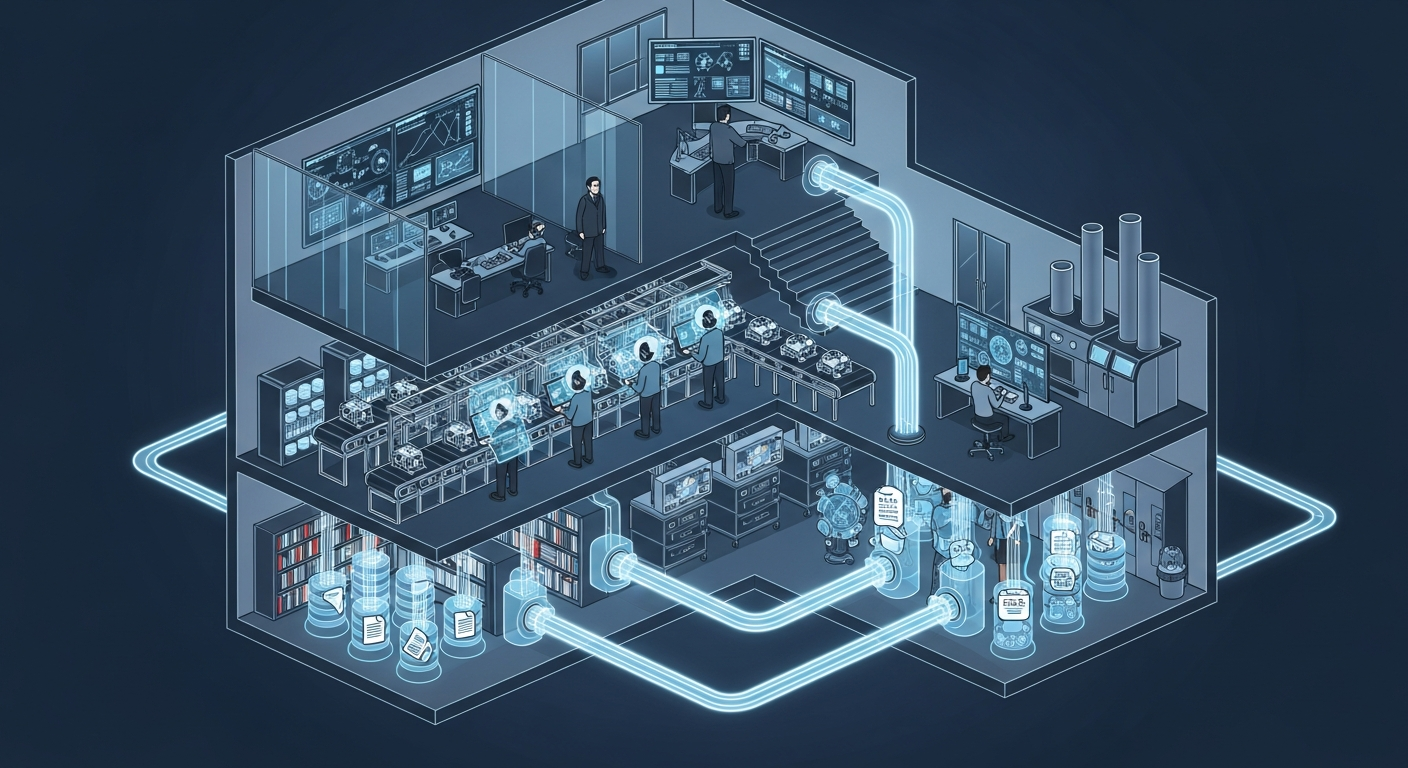
공장의 뇌는 어떻게 생겼는가 — 제조운영 AI 아키텍처 해부
지식관리, 업무자동화, 의사결정지원 — 따로 보면 다 있던 것들입니다. 제조 AI의 진짜 차이는 이 셋이 순환하면서 '우리 공장만의 지능'을 만든다는 데 있습니다.
Want to apply this in your factory?
MOAI helps manufacturing companies adopt AI tailored to their operations.
Talk to us →