Overview
Preventive maintenance (PM) is a maintenance strategy that involves regularly scheduled inspections, servicing, and repairs of equipment to prevent unexpected failures and unplanned downtime. The goal is to maintain equipment reliability, extend its useful life, and reduce the high costs associated with emergency repairs and production losses. Preventive maintenance is performed on either a time-based (calendar interval) or usage-based (operating hours, production cycles) schedule and is applied across virtually all industries, including manufacturing, aviation, facility management, and fleet management.
History
The concept of preventive maintenance evolved naturally following the Industrial Revolution as mechanical equipment was deployed on a large scale. In the early industrial era, reactive maintenance (also called run-to-failure) was the norm—equipment was used until it broke down and then repaired. However, as mass production expanded in the early 20th century, awareness grew that unexpected equipment failures caused significant production losses.
In the 1950s, Japanese manufacturers adopted American maintenance management techniques and developed them into the concept of Total Productive Maintenance (TPM). TPM is a system in which all employees, from operators to managers, participate in equipment maintenance, with preventive maintenance as its core pillar. With the subsequent advancement of computer technology, Computerized Maintenance Management Systems (CMMS) became widespread, enabling systematic planning and history tracking of preventive maintenance activities.
Types
Time-based maintenance
Maintenance is performed at fixed time intervals (e.g., weekly, monthly, quarterly, annually) regardless of the actual condition of the equipment. Components are replaced or inspected according to a predetermined schedule. Regular automotive oil changes are a classic example.
Usage-based maintenance
Maintenance timing is determined by actual usage metrics such as operating hours, production cycles, or mileage. For instance, aircraft engine maintenance intervals are set based on flight hours.
Condition-based maintenance
Equipment condition is monitored in real time, and maintenance is performed when anomalies are detected. Technologies such as vibration analysis, thermography, oil analysis, and ultrasonic testing are employed. Condition-based maintenance is an advanced form of preventive maintenance that reduces unnecessary servicing by targeting maintenance to when it is actually needed.
Predictive maintenance
Predictive maintenance (PdM) uses sensor data, machine learning, and artificial intelligence to forecast when equipment will fail and performs maintenance at the optimal time just before failure occurs. It is considered the most advanced form of preventive maintenance and is rapidly expanding alongside the development of the Industrial Internet of Things (IIoT).
Key Activities
Common activities performed as part of preventive maintenance include:
- Inspection: Visual or instrument-based examination of equipment appearance, operating condition, and wear
- Cleaning: Removal of dust, debris, and lubricant residue to maintain equipment performance
- Lubrication: Application of appropriate lubricants to friction points to prevent wear and overheating
- Adjustment: Calibrating belt tension, alignment, pressure, and other parameters to specified values
- Replacement: Proactive replacement of consumable parts such as filters, belts, bearings, and seals before end of life
- Calibration: Verifying and correcting the accuracy of measuring instruments and sensors
- Testing: Verifying the operation of safety devices, emergency stops, and other protective systems
Advantages
- Reduced downtime: Planned maintenance minimizes unexpected breakdowns and unplanned shutdowns
- Extended equipment life: Regular servicing increases the overall useful life of equipment
- Cost savings: Routine maintenance costs less than major breakdown repairs, and production losses are minimized
- Improved safety: Early detection and correction of equipment defects prevents workplace accidents
- Quality consistency: Equipment operating in optimal condition ensures consistent product quality
- Energy efficiency: Well-maintained equipment uses energy more efficiently
- Regulatory compliance: Systematic maintenance record-keeping satisfies legal and regulatory requirements
Disadvantages and Limitations
- Over-maintenance: Performing maintenance on a fixed schedule regardless of actual need can generate unnecessary costs
- Initial investment: Setting up a maintenance program, implementing CMMS, and training personnel requires upfront expenditure
- Planning complexity: Determining optimal maintenance intervals requires sufficient data on equipment failure history and manufacturer recommendations
- Parts waste: Periodically replacing parts that are still functional can result in resource waste
- Labor requirements: Skilled technical personnel are continuously needed to perform maintenance tasks
Comparison of Maintenance Strategies
| Strategy | Description | Timing | |----------|-------------|--------| | Reactive maintenance | Repair after failure occurs | After breakdown | | Preventive maintenance | Scheduled inspections and replacements to prevent failure | Time/usage-based | | Condition-based maintenance | Maintenance triggered by condition monitoring | When anomalies detected | | Predictive maintenance | Data analysis to predict failure timing | Optimal point before failure |
Industry Applications
Manufacturing
Preventive maintenance of production line equipment is essential in manufacturing plants. Regular maintenance is performed on critical equipment such as CNC machines, presses, conveyors, and robots to prevent production stoppages. In plants that have adopted TPM, operators perform daily inspections (autonomous maintenance) while specialized maintenance teams handle scheduled servicing.
Aviation
Safety is paramount in the aviation industry, so aircraft maintenance is performed according to strict regulations. Tiered preventive maintenance programs are operated including A checks (approximately every 400–600 flight hours), B checks (approximately every 6–8 months), C checks (approximately every 20–24 months), and D checks (approximately every 6–10 years).
Building and Facility Management
Regular preventive maintenance is performed on building HVAC systems, elevators, electrical systems, plumbing, and fire protection equipment. This contributes to building safety, comfortable environments, and energy cost reduction.
Fleet Management
Following manufacturer-recommended maintenance schedules for engine oil changes, tire replacement, brake pad inspection, and coolant top-up is a classic example of preventive maintenance.
CMMS and Digital Transformation
A Computerized Maintenance Management System (CMMS) is software that digitizes the planning, execution, and history management of preventive maintenance. CMMS enables automatic maintenance schedule generation, work order issuance, spare parts inventory management, and maintenance history tracking.
Recently, the trend has evolved toward smart maintenance systems that collect real-time equipment condition data through Industrial Internet of Things (IIoT) sensors and use artificial intelligence algorithms on cloud-based platforms to automatically determine optimal maintenance timing.
International Standards
Key international standards related to preventive maintenance include:
- ISO 55000: Asset management — Overview, principles, and terminology
- ISO 55001: Asset management — Management systems requirements
- ISO 14224: Petroleum, petrochemical, and natural gas industries — Collection and exchange of reliability and maintenance data for equipment
- EN 13306: European standard for maintenance terminology
See Also
- Total Productive Maintenance (TPM)
- Predictive maintenance
- Reliability-centered maintenance (RCM)
- Computerized Maintenance Management System (CMMS)
- Overall Equipment Effectiveness (OEE)
- Failure Mode and Effects Analysis (FMEA)
- Mean Time Between Failures (MTBF)
From MOAI Insights
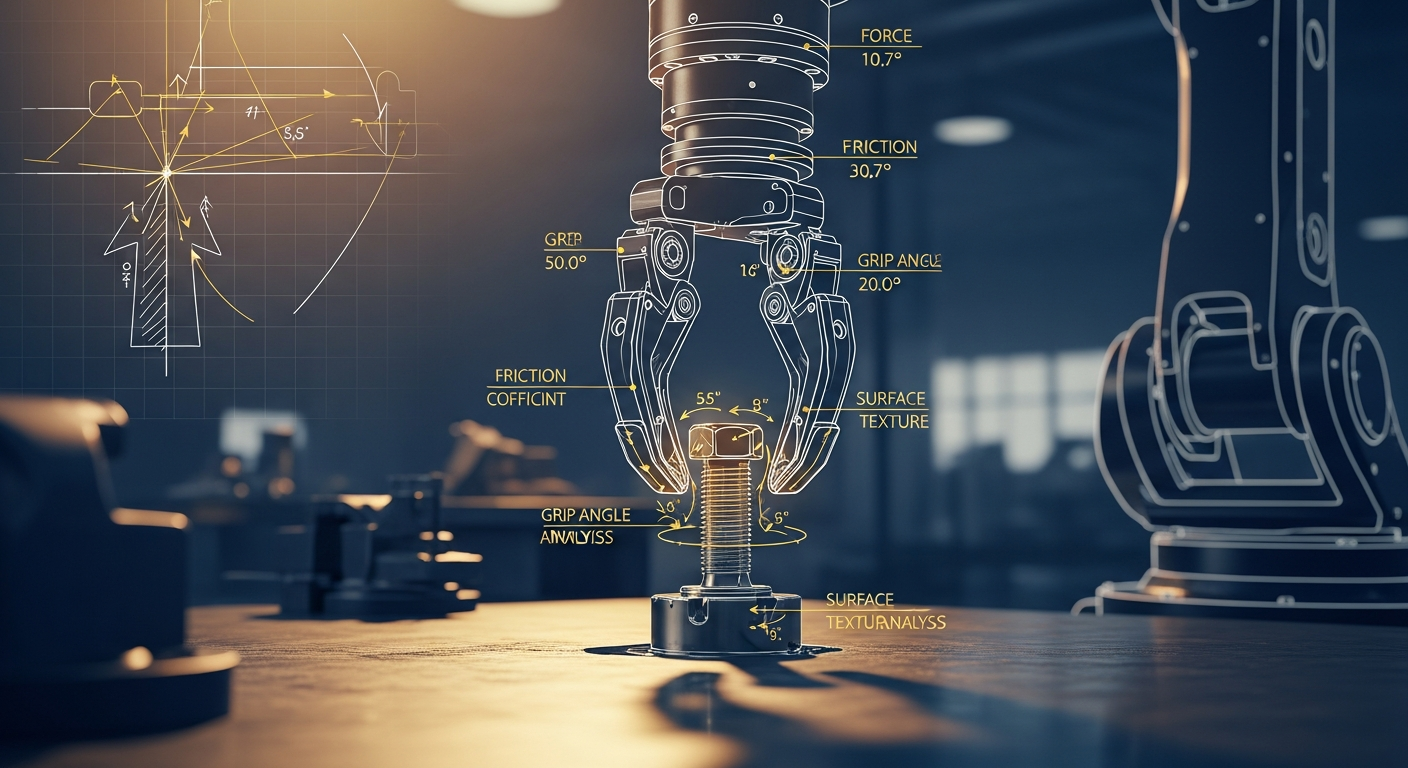
로봇은 왜 볼트를 떨어뜨리는가 — Physical AI가 공장에 필요한 진짜 이유
AI가 데이터 패턴만 외우는 시대는 끝나고 있다. 물리 법칙을 이해하는 Physical AI가 제조 현장에 왜 필요한지, KAIST 교수와 자동차 부품 공장 팀장이 볼트 하나를 놓고 이야기한다.

디지털 트윈, 당신 공장엔 이미 있다 — 엑셀과 MES 사이 어딘가에
디지털 트윈은 10억짜리 3D 시뮬레이션이 아니다. 지금 쓰고 있는 엑셀에 좋은 질문 하나를 더하는 것 — 두 전문가가 중소 제조기업이 이미 가진 데이터로 예측하는 공장을 만드는 현실적 로드맵을 제시한다.
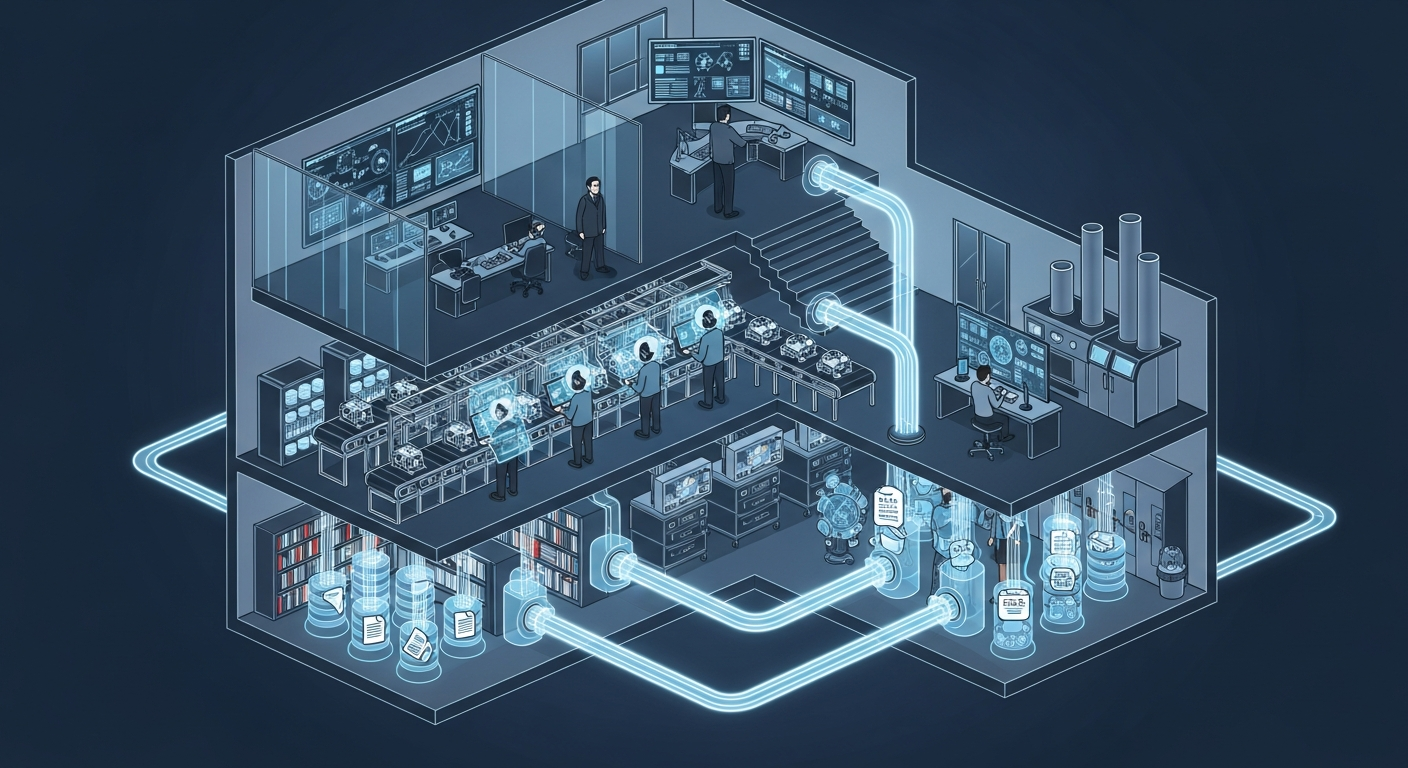
공장의 뇌는 어떻게 생겼는가 — 제조운영 AI 아키텍처 해부
지식관리, 업무자동화, 의사결정지원 — 따로 보면 다 있던 것들입니다. 제조 AI의 진짜 차이는 이 셋이 순환하면서 '우리 공장만의 지능'을 만든다는 데 있습니다.
Want to apply this in your factory?
MOAI helps manufacturing companies adopt AI tailored to their operations.
Talk to us →