Repairable
{{Short description|Hardware component of a weapons system that can be designated for repair}} {{Notability|date=December 2025}}
A '''repairable component''' is a component of a [[finished good]] that can be designated for repair.
==Overview== Repairable components tend to be more expensive than non-repairable components ([[consumable]]s). This is because for items that are inexpensive to [[procurement|procure]], it is often more cost-effective not to maintain (repair) them. Repair costs can be expensive, including costs for the labor for the removal the broken or worn out part (described as unserviceable), cost of replacement with a working (serviceable) from inventory, and also the cost of the actual repair, including possible shipping costs to a repair vendor.
At maintenance facilities, such as might be found at [[Main operating base|main operating bases]], inventory is controlled by site personnel. Maintenance personnel will formally "turn-in" unserviceable items for repair, receiving a funding credit in the process. These "turn-ins" will be fixed, reconditioned, or replaced. Maintenance personnel can also be issued repaired or new items back from inventory. These processes are assisted by automated [[logistics management]] systems.
In the Navy/Marine Corps supply system repairable items are identified with certain two character cognizance symbols (COGs) and one character Material Control Codes (MCCs).{{cite web | title=MCTP 3-40E Maintenance Operations | url=https://www.marines.mil/Portals/1/Publications/MCTP%203-40E.pdf?ver=2020-02-06-091753-840 |publisher=US Marine Corps| access-date=2025-12-02}}
In United States Marine Corps Aviation, repairables are managed by the [[Repairables Management Division]] of the Aviation Supply Department.
In the [[United States Air Force]], repairables can be identified by their ERRC designation or SMR code.
==See also== {{Wiktionary|repairable}}
- [[Level of repair analysis]]
- [[Repairability]]
- [[Right to repair]]
==References== {{reflist}}
[[Category:Military logistics]]
{{military-stub}} {{engineering-stub}}
From MOAI Insights
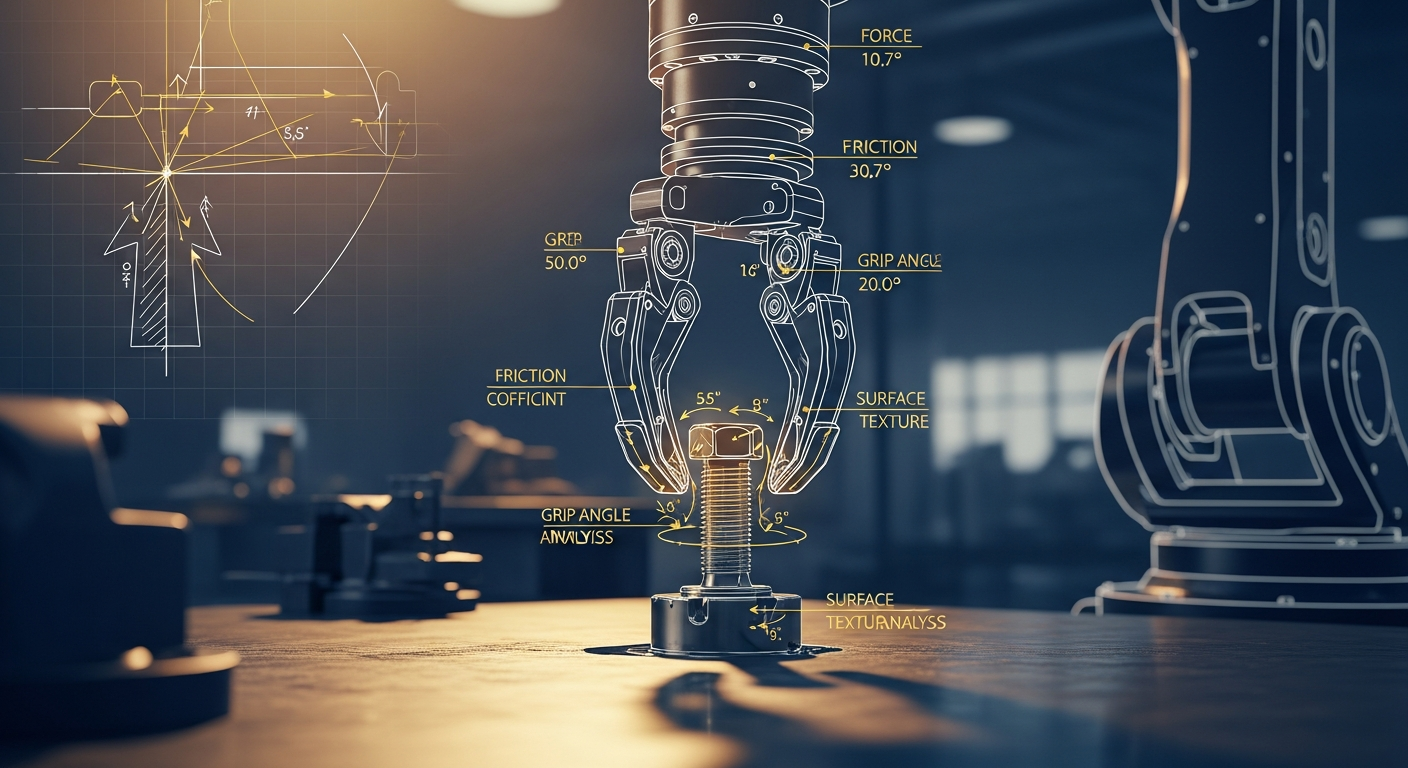
로봇은 왜 볼트를 떨어뜨리는가 — Physical AI가 공장에 필요한 진짜 이유
AI가 데이터 패턴만 외우는 시대는 끝나고 있다. 물리 법칙을 이해하는 Physical AI가 제조 현장에 왜 필요한지, KAIST 교수와 자동차 부품 공장 팀장이 볼트 하나를 놓고 이야기한다.

디지털 트윈, 당신 공장엔 이미 있다 — 엑셀과 MES 사이 어딘가에
디지털 트윈은 10억짜리 3D 시뮬레이션이 아니다. 지금 쓰고 있는 엑셀에 좋은 질문 하나를 더하는 것 — 두 전문가가 중소 제조기업이 이미 가진 데이터로 예측하는 공장을 만드는 현실적 로드맵을 제시한다.
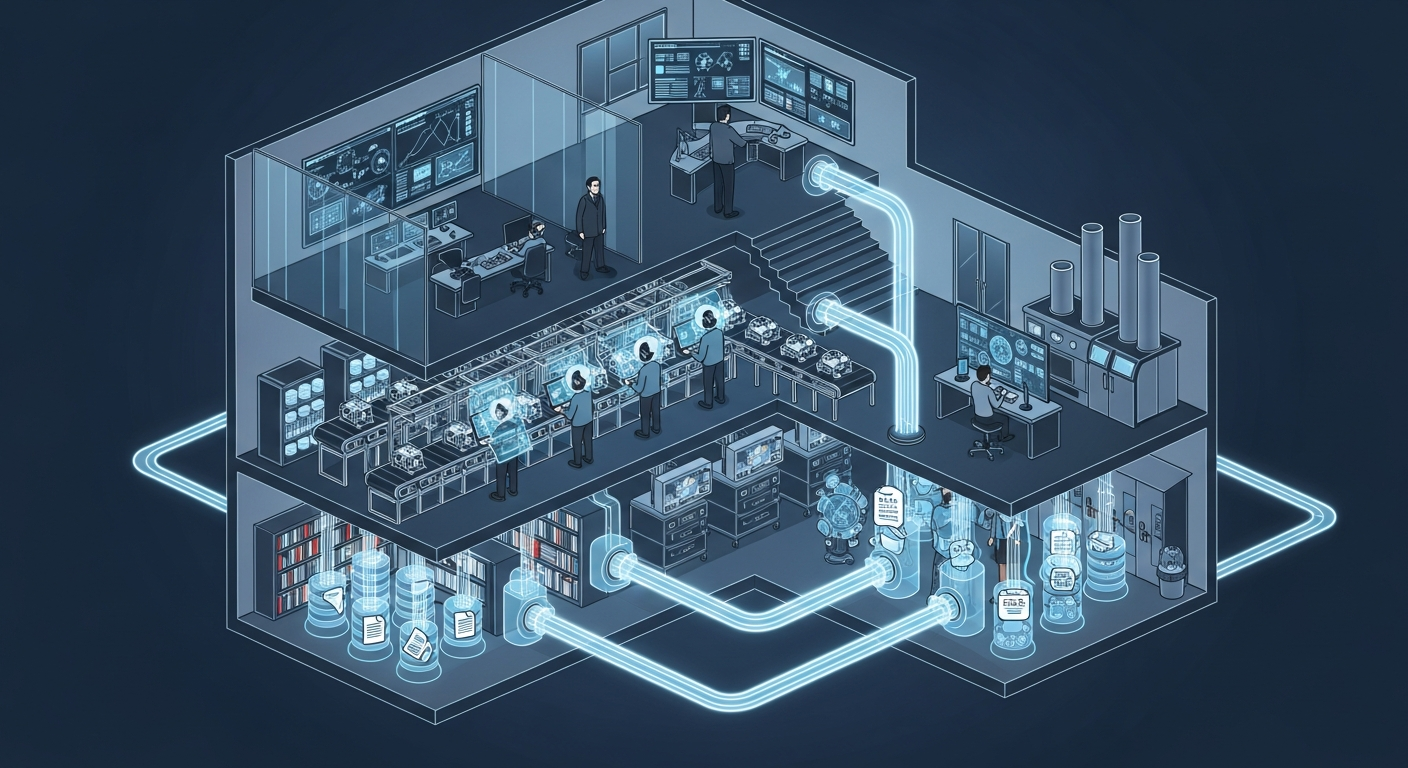
공장의 뇌는 어떻게 생겼는가 — 제조운영 AI 아키텍처 해부
지식관리, 업무자동화, 의사결정지원 — 따로 보면 다 있던 것들입니다. 제조 AI의 진짜 차이는 이 셋이 순환하면서 '우리 공장만의 지능'을 만든다는 데 있습니다.
Want to apply this in your factory?
MOAI helps manufacturing companies adopt AI tailored to their operations.
Talk to us →