Applications of artificial intelligence
Artificial intelligence is the capability of computational systems to perform tasks typically associated with human intelligence, such as learning, reasoning, problem-solving, perception, and decision-making. Artificial intelligence has been used in applications throughout industry and academia. Within the field of Artificial Intelligence, there are multiple subfields. The subfield of Machine learning has been used for various scientific and commercial purposes including language translation, image recognition, decision-making, credit scoring, and e-commerce. In recent years, there have been massive advancements in the field of generative artificial intelligence, which uses generative models to produce text, images, videos or other forms of data. This article describes applications of AI in different sectors.
Agriculture
In agriculture, AI has been proposed as a way for farmers to identify areas that need irrigation, fertilization, or pesticide treatments to increase yields, thereby improving efficiency. AI has been used to attempt to classify livestock pig call emotions, automate greenhouses, detect diseases and pests, and optimize irrigation.
Architecture and design
Business
A 2023 study found that generative AI increased productivity by 15% in contact centers. Another 2023 study found it increased productivity by up to 40% in writing tasks. An August 2025 review by MIT found that of surveyed companies, 95% did not report any improvement in revenue from the use of AI. A September 2025 article by the Harvard Business Review describes how increased use of AI does not automatically lead to increases in revenue or actual productivity. Referring to "AI generated work content that masquerades as good work, but lacks the substance to meaningfully advance a given task" the article coins the term workslop. Per studies done in collaboration with the Stanford Social Media Lab, workslop does not improve productivity and undermines trust and collaboration among colleagues.
Computer science
Programming assistance
AI-assisted software development
AI can be used for real-time code completion, chat, and automated test generation. These tools are typically integrated with editors and IDEs as plugins. AI-assisted software development systems differ in functionality, quality, speed, and approach to privacy. Creating software primarily via AI is known as "vibe coding". Code created or suggested by AI can be incorrect or inefficient. The use of AI-assisted coding can potentially speed-up software development, but can also slow-down the process by creating more work when debugging and testing. The rush to prematurely adopt AI technology can also incur additional technical debt. AI also requires additional consideration and careful review for cybersecurity, since AI coding software is trained on a wide range of code of inconsistent quality and often replicates poor practices.
Neural network design
AI can be used to create other AIs. For example, around November 2017, Google's AutoML project to evolve new neural net topologies created NASNet, a system optimized for ImageNet and POCO F1. NASNet's performance exceeded all previously published performance on ImageNet.
Quantum computing
Research and development of quantum computers has been performed with machine learning algorithms. For example, there is a prototype, photonic, quantum memristive device for neuromorphic computers (NC)/artificial neural networks and NC-using quantum materials with some variety of potential neuromorphic computing-related applications. The use of quantum machine learning for quantum simulators has been proposed for solving physics and chemistry problems.
Historical contributions
AI researchers have created many tools to solve the most difficult problems in computer science. Many of their inventions have been adopted by mainstream computer science and are no longer considered AI. All of the following were originally developed in AI laboratories:
- Time sharing
- Interactive interpreters
- Graphical user interfaces and the computer mouse
- Rapid application development environments
- The linked list data structure
- Automatic storage management
- Symbolic programming
- Functional programming
- Dynamic programming
- Object-oriented programming
- Optical character recognition
- Constraint satisfaction
Customer service
Human resources
Another application of AI is in human resources. AI can screen resumes and rank candidates based on their qualifications, predict a candidate's likelihood of success in a given role, and automate repetitive communication tasks using chatbots.
Online and telephone customer service
AI underlies avatars (automated online assistants) on web pages. It can reduce operation and training costs. Pypestream automated customer service for its mobile application to streamline communication with customers.
A Google app analyzes language and converts speech into text. The platform can identify angry customers through their language and respond appropriately. Amazon uses a chatbot for customer service that can perform tasks like checking the status of an order, cancelling orders, offering refunds and connecting the customer with a human representative. Generative AI (GenAI), such as ChatGPT, is increasingly used in business to automate tasks and enhance decision-making.
Hospitality
In the hospitality industry, AI is used to reduce repetitive tasks, analyze trends, interact with guests, and predict customer needs. AI hotel services come in the form of a chatbot, application, virtual voice assistant and service robots.
Education
In educational institutions, AI has been used to automate routine tasks such as attendance tracking, grading, and marking. AI tools have also been used to monitor student progress and analyze learning behaviors, with the goal of facilitating timely interventions for students facing academic challenges.
Energy and environment
Energy system
The U.S. Department of Energy wrote in an April 2024 report that AI may have applications in modeling power grids, reviewing federal permits with large language models, predicting levels of renewable energy production, and improving the planning process for electrical vehicle charging networks. Other studies have suggested that machine learning can be used for energy consumption prediction and scheduling, e.g. to help with renewable energy intermittency management (see also: smart grid and climate change mitigation in the power grid).
Environmental monitoring
Autonomous ships that monitor the ocean, AI-driven satellite data analysis, passive acoustics or remote sensing and other applications of environmental monitoring make use of machine learning.
For example, "Global Plastic Watch" is an AI-based satellite monitoring-platform for analysis/tracking of plastic waste sites to help prevention of plastic pollution – primarily ocean pollution – by helping identify who and where mismanages plastic waste, dumping it into oceans.
Early-warning systems
Machine learning can be used to spot early-warning signs of disasters and environmental issues, possibly including natural pandemics, earthquakes, landslides, heavy rainfall, long-term water supply vulnerability, tipping-points of ecosystem collapse, cyanobacterial bloom outbreaks, and droughts.
Economic and social challenges
The University of Southern California launched the Center for Artificial Intelligence in Society, with the goal of using AI to address problems such as homelessness. Stanford researchers use AI to analyze satellite images to identify high poverty areas.
Entertainment and media
Media
AI applications analyze media content such as movies, TV programs, advertisement videos or user-generated content. The solutions often involve computer vision.
Typical scenarios include the analysis of
Related Articles
From MOAI Insights
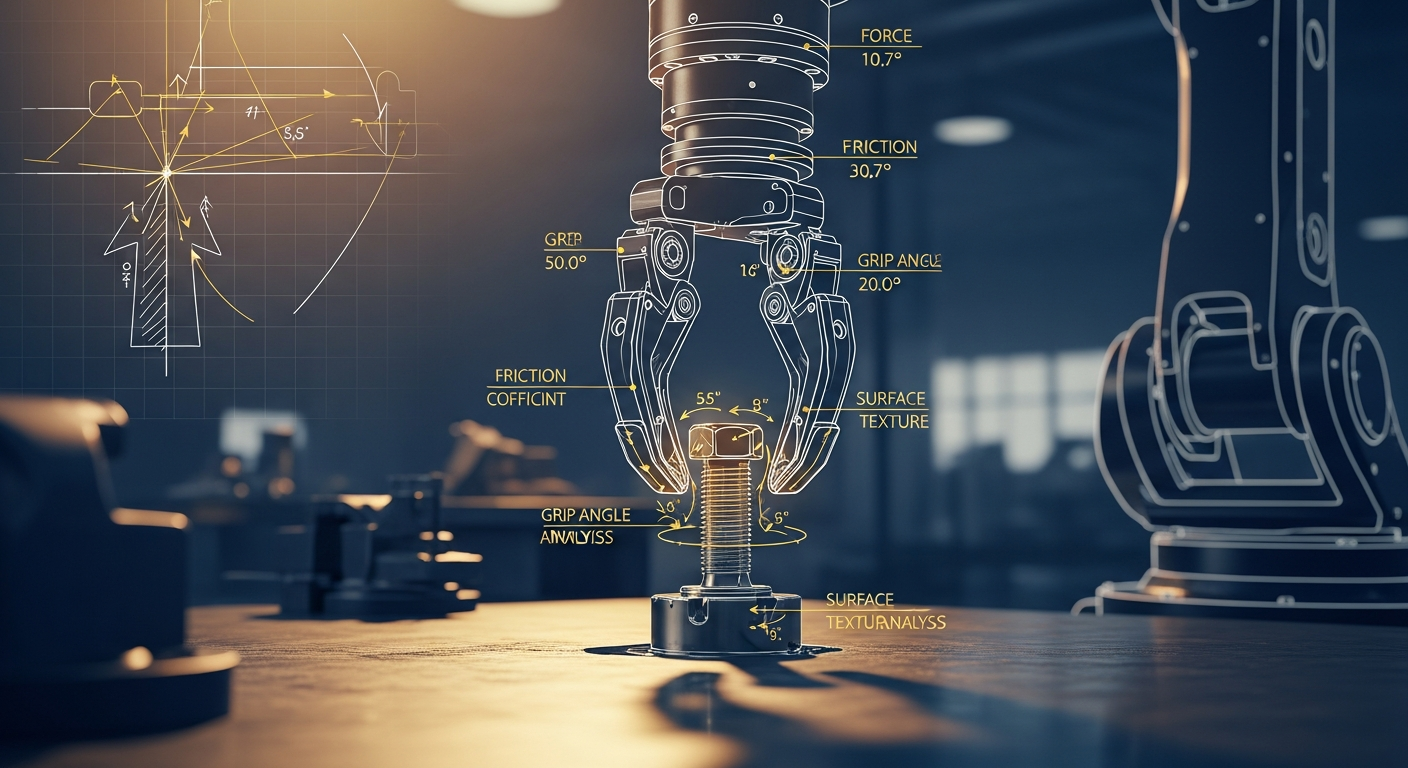
로봇은 왜 볼트를 떨어뜨리는가 — Physical AI가 공장에 필요한 진짜 이유
AI가 데이터 패턴만 외우는 시대는 끝나고 있다. 물리 법칙을 이해하는 Physical AI가 제조 현장에 왜 필요한지, KAIST 교수와 자동차 부품 공장 팀장이 볼트 하나를 놓고 이야기한다.

디지털 트윈, 당신 공장엔 이미 있다 — 엑셀과 MES 사이 어딘가에
디지털 트윈은 10억짜리 3D 시뮬레이션이 아니다. 지금 쓰고 있는 엑셀에 좋은 질문 하나를 더하는 것 — 두 전문가가 중소 제조기업이 이미 가진 데이터로 예측하는 공장을 만드는 현실적 로드맵을 제시한다.
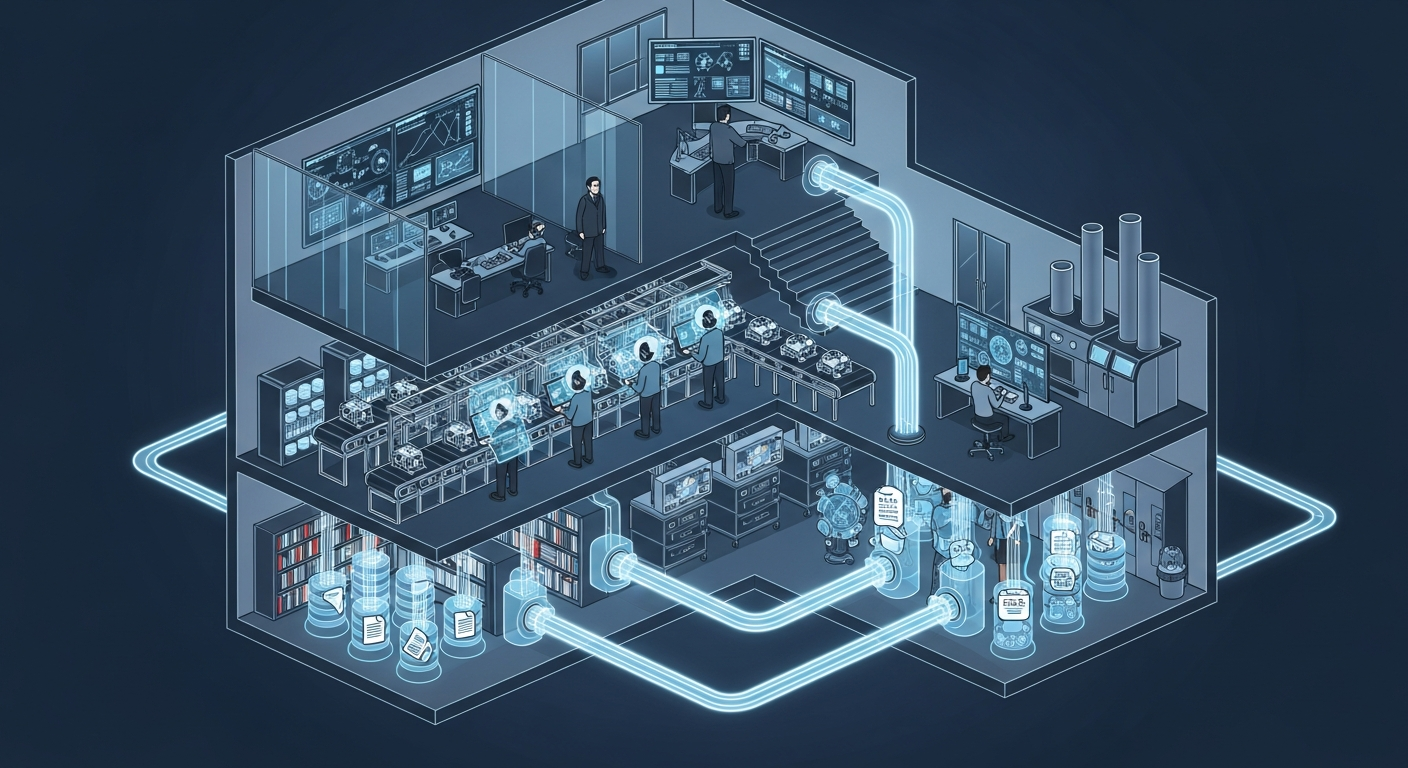
공장의 뇌는 어떻게 생겼는가 — 제조운영 AI 아키텍처 해부
지식관리, 업무자동화, 의사결정지원 — 따로 보면 다 있던 것들입니다. 제조 AI의 진짜 차이는 이 셋이 순환하면서 '우리 공장만의 지능'을 만든다는 데 있습니다.
Want to apply this in your factory?
MOAI helps manufacturing companies adopt AI tailored to their operations.
Talk to us →