A supply chain is a complex logistics system that consists of facilities that convert raw materials into finished products and distribute them to end consumers or end customers, while supply chain management focuses on the optimization of the flow of goods within the supply chain's distribution channels to ensure efficiency.
In sophisticated supply chain systems, the reintroduction of used products into the supply chain may occur at any point where the residual value of the product is recyclable. Supply chains are linked to value chains, and suppliers within a supply chain are often organized into tiers. First-tier suppliers, also referred to as "direct suppliers", directly supply goods or services to the client. Second-tier suppliers supply to the first tier, and so on, creating a hierarchical structure within the supply network.
The phrase "supply chain" may have been first published in a 1905 article in The Independent, which briefly mentioned the difficulty of "keeping a supply chain with India unbroken" during the British expedition to Tibet.

Source: Wikimedia Commons, CC BY-SA 4.0
Overview
A typical supply chain can be divided into two stages namely, production and distribution stages. In the production stage, components and semi-finished parts are produced in manufacturing centres. The components are then put together in an assembly plant. The distribution stage consists of central and regional distribution centres that transport products to end-consumers. Mentzer et al. suggest that at least three entities are required for there to be a "supply chain".
At the end of the supply chain, materials and finished products only flow there because of the customer behaviour at the end of the chain; academics Alan Harrison and Janet Godsell argue that "supply chain processes should be coordinated in order to focus on end customer buying behaviour", and look for "customer responsiveness" as an indicator confirming that materials are able to flow "through a sequence of supply chain processes in order to meet end customer buying behaviour".
Many of the exchanges encountered in the supply chain take place between varied companies that seek to maximize their revenue within their sphere of interest but may have little or no knowledge or interest in the remaining players in the supply chain. More recently, the loosely coupled, self-organizing network of businesses who cooperate in providing product and service offerings has been called the extended enterprise, and the use of the term "chain" and the linear structure it appears to represent have been criticized as "harder to relate to the way supply networks really operate. A chain is actually a complex and dynamic supply and demand network.
As part of their efforts to demonstrate ethical practices, many large companies and global brands are integrating codes of conduct and guidelines into their corporate cultures and management systems. Through these, corporations are making demands on their suppliers (facilities, farms, subcontracted services such as cleaning, canteen, security etc.) and verifying, through social audits, that they are complying with the required standard. A lack of transparency in the supply chain can bar consumers from knowledge of where their purchases originated and facilitate socially irresponsible practices. In 2018, the Loyola University Chicago's Supply and Value Chain Center found in a survey that 53% of supply chain professionals considered ethics to be "extremely" important to their organization.
In some cases, the operation of multiple tiers within a supply chain may give rise to additional costs, due the "profit layering", where each tier's operators add a profit margin to their costs. For example, in 2015 the UK's Ministry of Justice recognised that its lift maintenance and refurbishment contracts were let to a main contractor who then sub-contracted the work to a specialist lift contractor. The ministry avoided the cost impact of this arrangement by contracting for lift work directly with the specialist contractors.

Source: Wikimedia Commons, CC0
Typologies
Marshall L. Fisher (1997) asks the question in a key article, "Which is the right supply chain for your product?" Fisher, and also Naylor, Naim and Berry (1999), identify two matching characteristics of supply chain strategy: a combination of "functional" and "efficient", or a combination of "responsive" and "innovative" (Harrison and Godsell).
Mentzer et al. distinguish between "direct supply chains", "extended supply chains", and "ultimate supply chains"; in their usage:
- A direct supply chain involves a company, a supplier and a customer
- An extended supply chain includes suppliers of the immediate supplier and customers of the immediate customer
- An ultimate supply chain includes all of the organizations involved in the supply of the product or service
In each case, the flow of information and finances is part of the chain as well as the product or service. Fazel Zarandi et al. add "buyer-seller relations" (at each stage), in addition to the flow of information, as the third main component of a supply chain. Mentzer et al. remind readers also that the focus of a supply chain is on the product or service in its end state: they refer to "the supply chain for candy" and "the supply chain for clothing". Individual supply chain actors may be positioned at different points in different supply chains: a bank, for example, may play a supporting role in certain supply chains, but acts as either the customer or the nearest supplier to the customer in the supply chain for security printing.
Brown et al. refer to supply chains as either "loosely coupled" or "tightly coupled":
Cutting-edge companies are swapping their tightly coupled processes for loosely coupled ones, making themselves not only more flexible but also more profitable.
These ideas refer to two polar models of collaboration: tightly coupled, or "hard-wired", also known as "linked", collaboration represents a close relationship between a buyer and supplier within the chain, whereas a loosely-coupled link relates to low interdependency between buyer and seller and therefore greater flexibility. The Chartered Institute of Procurement & Supply's professional guidance suggests that the aim of a tightly coupled relationship is to reduce inventory and avoid stock-outs.
Modeling and mapping
There are a variety of supply-chain models, which address both the upstream and downstream elements of supply-chain management (SCM). The SCOR (Supply-Chain Operations Reference) model, developed by a consortium of industry and the non-profit Supply Chain Council (now part of APICS) became the cross-industry de facto standard defining the scope of supply-chain management. SCOR measures total supply-chain performance. It is a process reference model for supply-chain management, extending "from the supplier's supplier to the customer's customer". It includes delivery and order fulfillment performance, production flexibility, warranty and returns processing costs, inventory and asset turns, and other factors in evaluating the overall effective performance of a supply chain.
A supply chain can often be split into different segments: the earlier stages of a supply chain, such as raw material processing and manufacturing, determine their break-even point by considering production costs relative to market price. The later stages of a supply chain, such as wholesale and retail determine their break-even point by considering transaction costs, relative to market price. Additionally, there are financial costs associated with all the stages of a supply chain model.
The Global Supply Chain Forum has introduced an alternative supply chain model. This framework is built on eight key business processes that are both cross-functional and cross-firm in nature. Each process is managed by a cross-functional team including representatives from logistics, production, purchasing, finance, marketing, and research and development.
Related Articles
From MOAI Insights
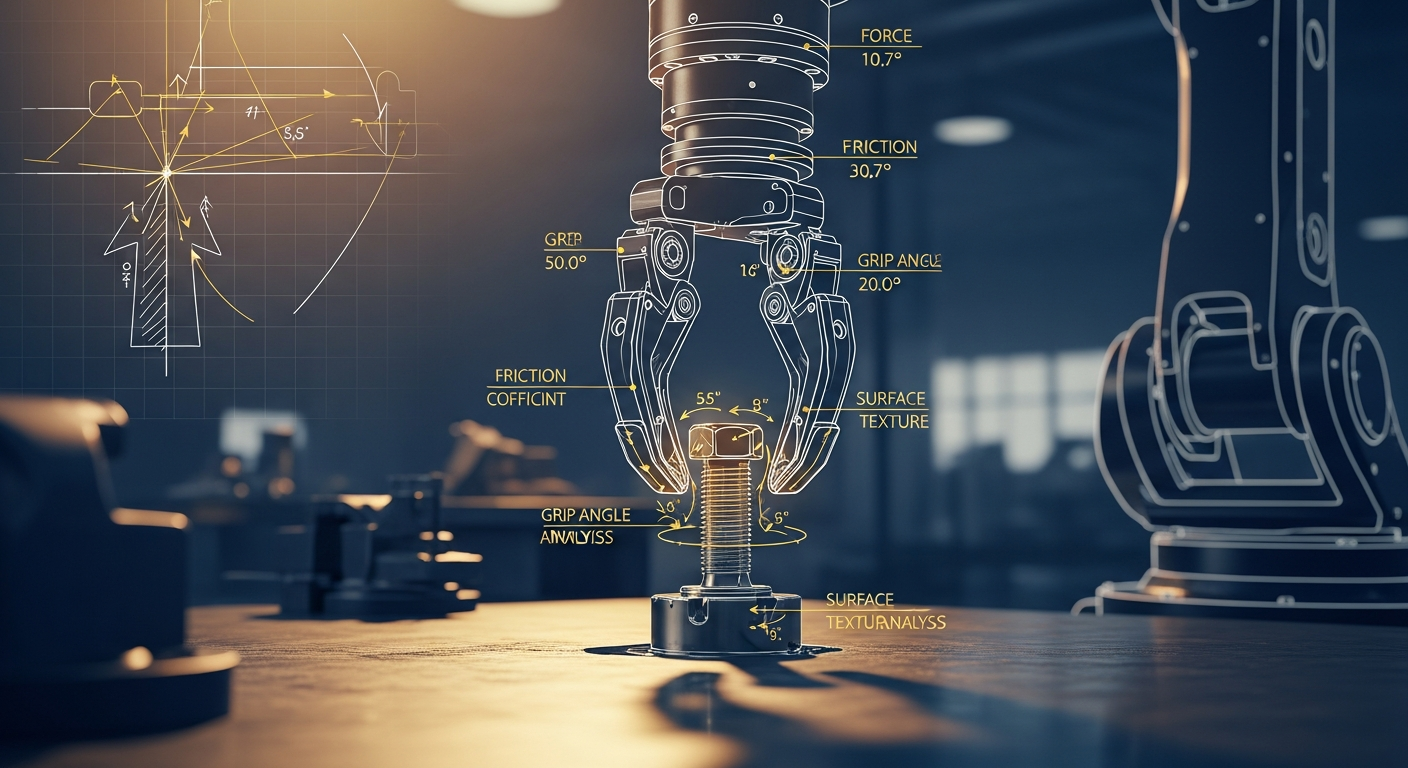
로봇은 왜 볼트를 떨어뜨리는가 — Physical AI가 공장에 필요한 진짜 이유
AI가 데이터 패턴만 외우는 시대는 끝나고 있다. 물리 법칙을 이해하는 Physical AI가 제조 현장에 왜 필요한지, KAIST 교수와 자동차 부품 공장 팀장이 볼트 하나를 놓고 이야기한다.

디지털 트윈, 당신 공장엔 이미 있다 — 엑셀과 MES 사이 어딘가에
디지털 트윈은 10억짜리 3D 시뮬레이션이 아니다. 지금 쓰고 있는 엑셀에 좋은 질문 하나를 더하는 것 — 두 전문가가 중소 제조기업이 이미 가진 데이터로 예측하는 공장을 만드는 현실적 로드맵을 제시한다.
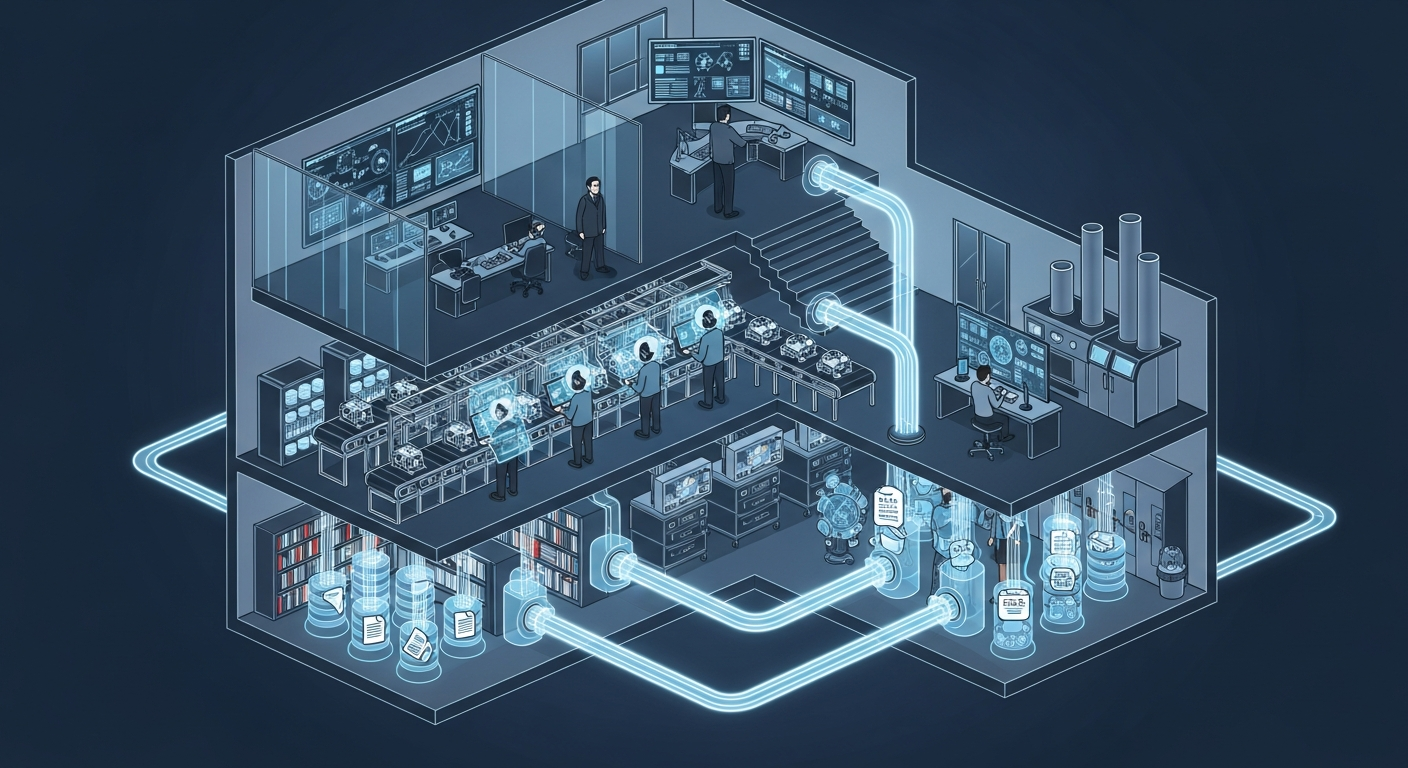
공장의 뇌는 어떻게 생겼는가 — 제조운영 AI 아키텍처 해부
지식관리, 업무자동화, 의사결정지원 — 따로 보면 다 있던 것들입니다. 제조 AI의 진짜 차이는 이 셋이 순환하면서 '우리 공장만의 지능'을 만든다는 데 있습니다.
Want to apply this in your factory?
MOAI helps manufacturing companies adopt AI tailored to their operations.
Talk to us →