Workforce
In macroeconomics, the workforce or labour force is the sum of people either working (i.e., the employed) or looking for work (i.e., the unemployed):
Labour force = Employed + Unemployed
Those neither working in the marketplace nor looking for work are out of the labour force.
The sum of the labour force and out of the labour force results in the noninstitutional civilian population, that is, the number of people who (1) work (i.e., the employed), (2) can work but do not, although they are looking for a job (i.e., the unemployed), or (3) can work but do not, and are not looking for a job (i.e., out of the labour force). Stated otherwise, the noninstitutional civilian population is the total population minus people who cannot or choose not to work (children, retirees, soldiers, and incarcerated people). The noninstitutional civilian population is the number of people potentially available for civilian employment.
Noninstitutional civilian population = Labour force + Out of the labour force
= Employed + Unemployed + Out of the labour force
= Total Population − People who cannot work
The labour force participation rate (LFPR) is defined as the ratio of the civilian labour force to the noninstitutional civilian population.
Labour force participation rate = Labour force ÷ Noninstitutional civilian population

Source: Wikimedia Commons, CC BY-SA 4.0
Formal and informal
Formal labour is any sort of employment that is structured and paid in a formal way. They are paid formally using payrolls paper, electronic card and alike. Unlike the informal sector of the economy, formal labour within a country contributes to that country's gross national product. Informal labour is labour that falls short of being a formal arrangement in law or in practice. Labour inherit may come as formal or non-formal, an employee old enough but below retirement age bracket passing on to his children. It can be paid or unpaid and it is always unstructured and unregulated. Formal employment is more reliable than informal employment. Generally, the former yields higher income and greater benefits and securities for both men and women.

Source: Wikimedia Commons, Public domain
Informal labour
The contribution of informal labourers is immense. Informal labour is expanding globally, most significantly in developing countries. According to a study done by Jacques Charmes, in the year 2000 informal labour made up 57% of non-agricultural employment, 40% of urban employment, and 83% of the new jobs in Latin America. That same year, informal labour made up 78% of non-agricultural employment, 61% of urban employment, and 93% of the new jobs in Africa. Particularly after an economic crisis, labourers tend to shift from the formal sector to the informal sector. This trend was seen after the Asian economic crisis which began in 1997.
Informal labour and gender
Gender is frequently associated with informal labour. Women are employed more often informally than they are formally, and informal labour is an overall larger source of employment for females than it is for males. Women frequent the informal sector of the economy through occupations like home-based workers and street vendors. The Penguin Atlas of Women in the World shows that in the 1990s, 81% of women in Benin were street vendors, 55% in Guatemala, 44% in Mexico, 33% in Kenya, and 14% in India. Overall, 60% of women workers in the developing world are employed in the informal sector.

Source: Wikimedia Commons, CC BY 3.0
The specific percentages are 84% and 58% for women in Sub-Saharan Africa and Latin America respectively. The percentages for men in both of these areas of the world are lower, amounting to 63% and 48% respectively. In Asia, 65% of women workers and 65% of men workers are employed in the informal sector. Globally, a large percentage of women that are formally employed also work in the informal sector behind the scenes. These women make up the hidden work force.
According to a 2021 FAO study, currently, 85 per cent of economic activity in Africa is conducted in the informal sector where women account for nearly 90 per cent of the informal labour force. According to the ILO's 2016 employment analysis, 64 per cent of informal employment is in agriculture (relative to industry and services) in sub-Saharan Africa. Women have higher rates of informal employment than men with 92 per cent of women workers in informal employment versus 86 per cent of men.
Formal and informal labour can be divided into the subcategories of agricultural work and non-agricultural work. Martha Chen et al. believe these four categories of labour are closely related to one another. A majority of agricultural work is informal, which the Penguin Atlas for Women in the World defines as unregistered or unstructured. Non-agricultural work can also be informal. According to Martha Chen et al., informal labour makes up 48% of non-agricultural work in North Africa, 51% in Latin America, 65% in Asia, and 72% in Sub-Saharan Africa.
Agriculture and informal economic activity are among some of the most important sources of livelihood for women. Women are estimated to account for approximately 70 per cent of informal cross-border traders and are also prevalent among owners of micro, small, or medium-sized enterprises (MSMEs). MSMEs are more vulnerable to market shocks and market disruptions. For women-owned MSMEs this is often compounded by their lack of access to credit and financial liquidity compared to larger businesses.

Source: Wikimedia Commons, CC BY 2.0
Agricultural work
Agricultural work is a major component of informal labour, sustaining livelihoods for large populations worldwide, particularly in developing countries.

Source: Wikimedia Commons, Public domain
Paid and unpaid
Paid and unpaid work are also closely related with formal and informal labour. Some informal work is unpaid, or paid under the table. Unpaid work can be work that is done at home to sustain a family, like child care work, or actual habitual daily labour that is not monetarily rewarded, like working the fields. Unpaid workers have zero earnings, and although their work is valuable, it is hard to estimate its value. Men and women tend to work in different areas of the economy, regardless of whether their work is paid or unpaid. Women focus on the service sector, while men focus on the industrial sector.
Unpaid work and gender
The distribution of unpaid work also shows a clear gender gap, which remains a significant socioeconomic challenge worldwide.
%20Baguio.JPG&width=800)
Source: Wikimedia Commons, CC BY-SA 3.0
From MOAI Insights
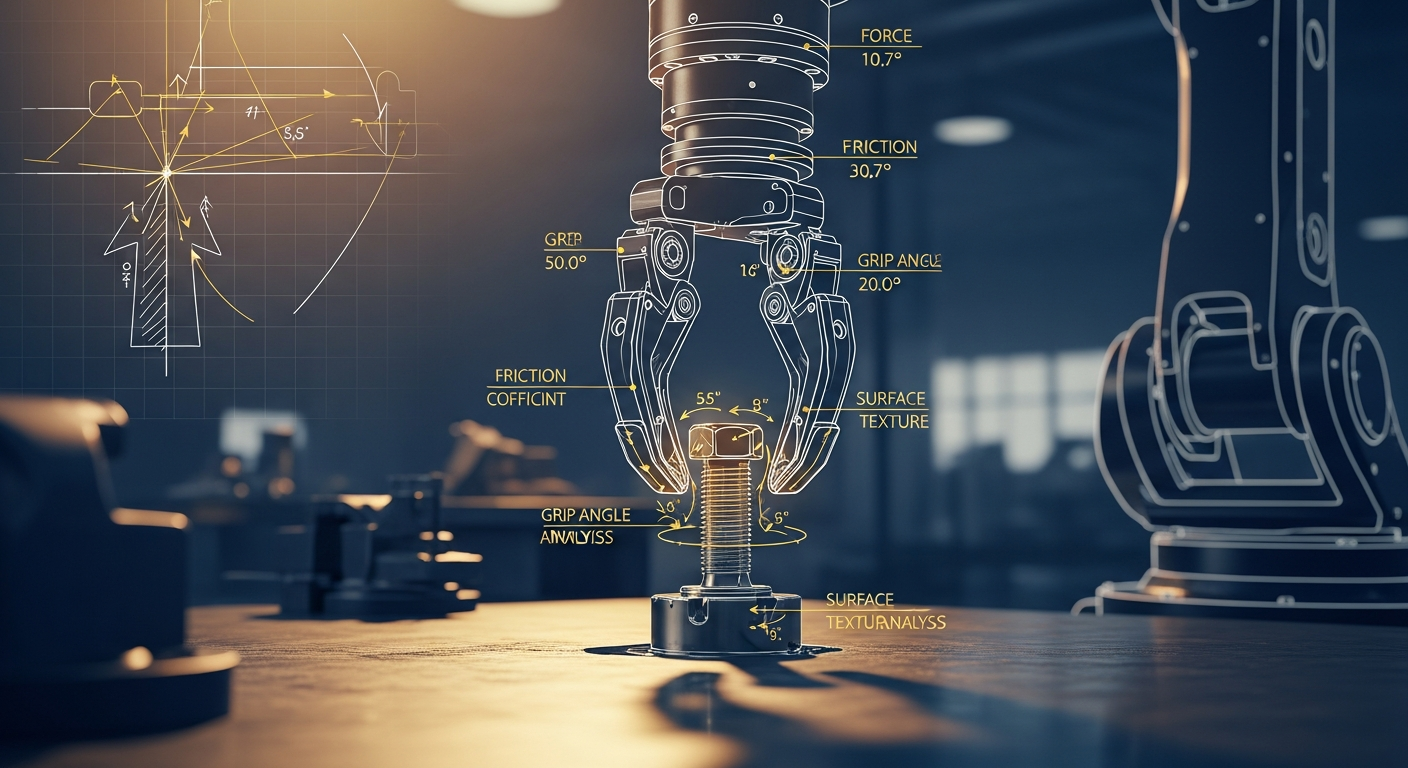
로봇은 왜 볼트를 떨어뜨리는가 — Physical AI가 공장에 필요한 진짜 이유
AI가 데이터 패턴만 외우는 시대는 끝나고 있다. 물리 법칙을 이해하는 Physical AI가 제조 현장에 왜 필요한지, KAIST 교수와 자동차 부품 공장 팀장이 볼트 하나를 놓고 이야기한다.

디지털 트윈, 당신 공장엔 이미 있다 — 엑셀과 MES 사이 어딘가에
디지털 트윈은 10억짜리 3D 시뮬레이션이 아니다. 지금 쓰고 있는 엑셀에 좋은 질문 하나를 더하는 것 — 두 전문가가 중소 제조기업이 이미 가진 데이터로 예측하는 공장을 만드는 현실적 로드맵을 제시한다.
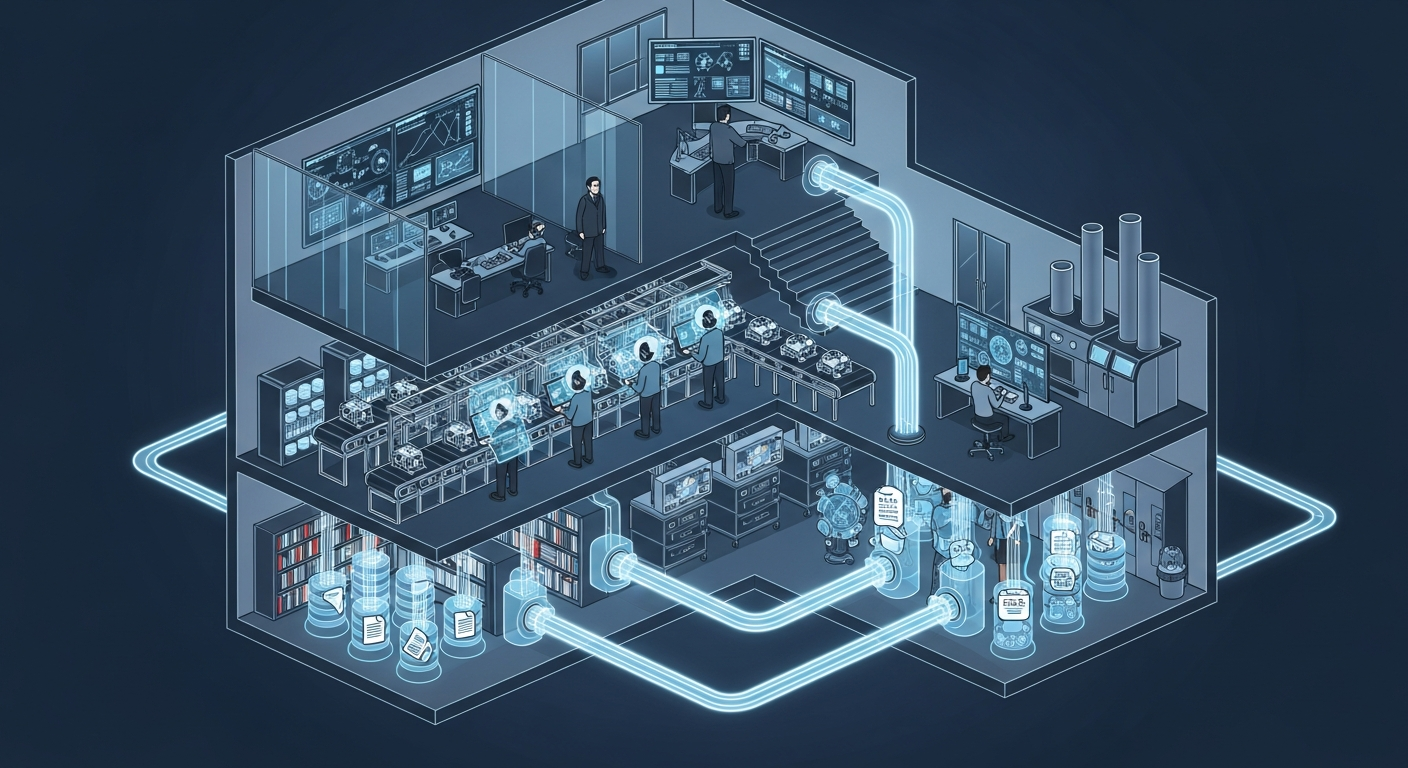
공장의 뇌는 어떻게 생겼는가 — 제조운영 AI 아키텍처 해부
지식관리, 업무자동화, 의사결정지원 — 따로 보면 다 있던 것들입니다. 제조 AI의 진짜 차이는 이 셋이 순환하면서 '우리 공장만의 지능'을 만든다는 데 있습니다.
Want to apply this in your factory?
MOAI helps manufacturing companies adopt AI tailored to their operations.
Talk to us →