Computer-integrated manufacturing
Computer-integrated manufacturing (CIM) is the manufacturing approach of using computers to control the entire production process. This integration allows individual processes to exchange information with each part. Manufacturing can be faster and less error-prone by the integration of computers. Typically CIM relies on closed-loop control processes based on real-time input from sensors. It is also known as flexible design and manufacturing.
Overview
Computer-integrated manufacturing is used in automotive, aviation, space, and ship building industries.
The term "computer-integrated manufacturing" is both a method of manufacturing and the name of a computer-automated system in which individual engineering, production, marketing, and support functions of a manufacturing enterprise are organized.
In a CIM system functional areas such as design, analysis, planning, purchasing, cost accounting, inventory control, and distribution are linked through the computer with factory floor functions such as materials handling and management, providing direct control and monitoring of all the operation.
CIM is an example of the implementation of information and communication technologies (ICTs) in manufacturing.
CIM implies that there are at least two computers exchanging information, e.g. the controller of an arm robot and a micro-controller.
CIM is most useful where a high level of ICT is used in the company or facility, such as CAD/CAM systems, and the availability of process planning and its data.
History
The idea of "digital manufacturing" became prominent in the early 1970s, with the release of Dr. Joseph Harrington's book, Computer Integrated Manufacturing. However, it was not until 1984 when computer-integrated manufacturing began to be developed and promoted by machine tool manufacturers and the Computer and Automated Systems Association and Society of Manufacturing Engineers (CASA/SME).
"CIM is the integration of total manufacturing enterprise by using integrated systems and data communication coupled with new managerial philosophies that improve organizational and personnel efficiency." — ERHUM
In a literature research was shown that 37 different concepts of CIM were published, most of them from Germany and USA. In a timeline of the 37 publications it is possible to see how the CIM concept developed over time. Also it is quite markable how different the concepts of all publications are.
%20Manufacturing%20Systems%20Integration%20Program.jpg&width=800)
Source: Wikimedia Commons, Public domain
Key challenges
There are three major challenges to development of a smoothly operating computer-integrated manufacturing system:
- Integration of components from different suppliers: When different machines, such as CNC, conveyors and robots, are using different communications protocols (In the case of AGVs, even differing lengths of time for charging the batteries) may cause problems.
- Data integrity: The higher the degree of automation, the more critical is the integrity of the data used to control the machines. While the CIM system saves on labor of operating the machines, it requires extra human labor in ensuring that there are proper safeguards for the data signals that are used to control the machines.
- Process control: Computers may be used to assist the human operators of the manufacturing facility, but there must always be a competent engineer on hand to handle circumstances which could not be foreseen by the designers of the control software.
Subsystems
A computer-integrated manufacturing system is not the same as a "lights-out factory", which would run completely independent of human intervention, although it is a big step in that direction. Part of the system involves flexible manufacturing, where the factory can be quickly modified to produce different products, or where the volume of products can be changed quickly with the aid of computers. Some or all of the following subsystems may be found in a CIM operation:
Computer-aided techniques:
- CAD (computer-aided design)
- CAE (computer-aided engineering)
- CAM (computer-aided manufacturing)
- CAPP (computer-aided process planning)
- CAQ (computer-aided quality assurance)
- PPC (production planning and control)
- ERP (enterprise resource planning)
- A business system integrated by a common database.
Devices and equipment required:
- CNC, Computer numerical controlled machine tools
- DNC, Direct numerical control machine tools
- PLCs, Programmable logic controllers
- Robotics
- Computers
- Software
- Controllers
- Networks
- Interfacing
- Monitoring equipment
Technologies:
- FMS, (flexible manufacturing system)
- ASRS, automated storage and retrieval system
- AGV, automated guided vehicle
- Robotics
- Automated conveyance systems
Others:
- Lean manufacturing
CIMOSA
CIMOSA (Computer Integrated Manufacturing Open System Architecture), is a 1990s European proposal for an open systems architecture for CIM developed by the AMICE Consortium as a series of ESPRIT projects. The goal of CIMOSA was "to help companies to manage change and integrate their facilities and operations to face worldwide competition. It provides a consistent architectural framework for both enterprise modeling and enterprise integration as required in CIM environments".
CIMOSA provides a solution for business integration with four types of products:
- The CIMOSA Enterprise Modeling Framework, which provides a reference architecture for enterprise architecture
- CIMOSA IIS, a standard for physical and application integration.
- CIMOSA Systems Life Cycle, is a life cycle model for CIM development and deployment.
- Inputs to standardization, basics for international standard development.
CIMOSA according to Vernadat (1996), coined the term business process and introduced the process-based approach for integrated enterprise modeling based on a cross-boundaries approach, which opposed to traditional function or activity-based approaches. With CIMOSA also the concept of an "Open System Architecture" (OSA) for CIM was introduced, which was designed to be vendor-independent, and constructed with standardised CIM modules. Here to the OSA is "described in terms of their function, information, resource, and organizational aspects."
Areas
There are multiple areas of usage:
- In Industrial and Production engineering
- In mechanical engineering
- In electronic design automation (printed circuit board (PCB) and integrated circuit design data for manufacturing)
See also
- Direct numerical control
- Enterprise integration
- Enterprise resource planning
- Flexible manufacturing system
- Integrated Computer-Aided Manufacturing
- Integrated manufacturing database
- Manufacturing process management
- Product lifecycle management
Related Articles
From MOAI Insights
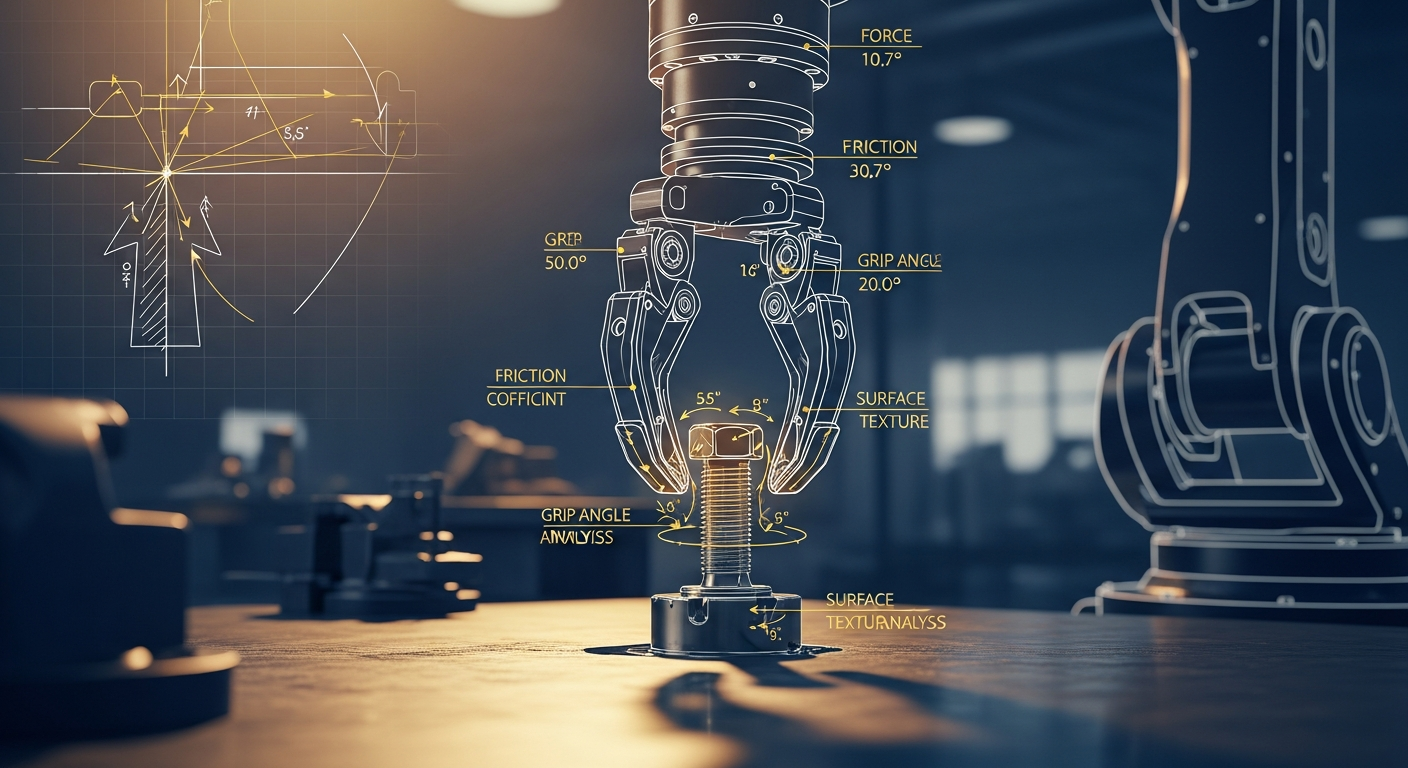
로봇은 왜 볼트를 떨어뜨리는가 — Physical AI가 공장에 필요한 진짜 이유
AI가 데이터 패턴만 외우는 시대는 끝나고 있다. 물리 법칙을 이해하는 Physical AI가 제조 현장에 왜 필요한지, KAIST 교수와 자동차 부품 공장 팀장이 볼트 하나를 놓고 이야기한다.

디지털 트윈, 당신 공장엔 이미 있다 — 엑셀과 MES 사이 어딘가에
디지털 트윈은 10억짜리 3D 시뮬레이션이 아니다. 지금 쓰고 있는 엑셀에 좋은 질문 하나를 더하는 것 — 두 전문가가 중소 제조기업이 이미 가진 데이터로 예측하는 공장을 만드는 현실적 로드맵을 제시한다.
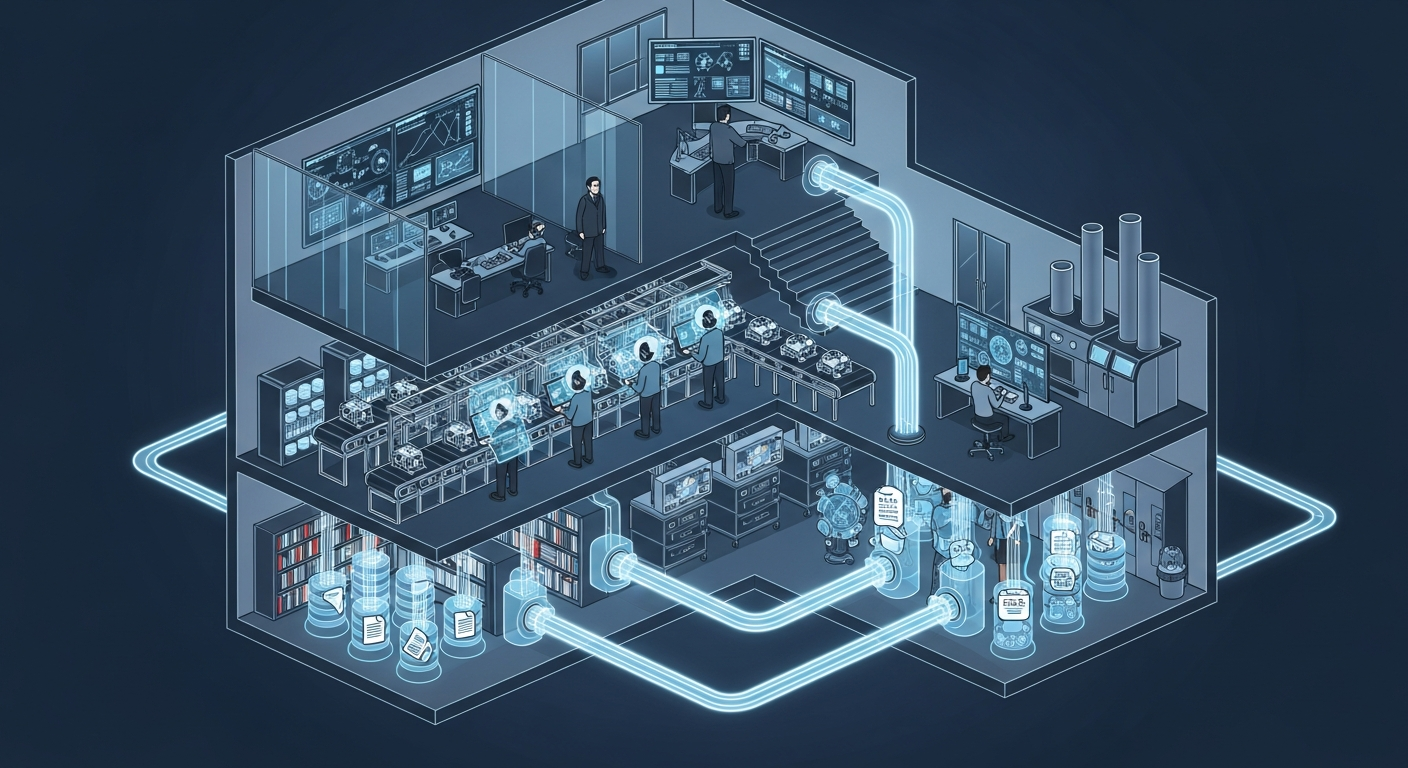
공장의 뇌는 어떻게 생겼는가 — 제조운영 AI 아키텍처 해부
지식관리, 업무자동화, 의사결정지원 — 따로 보면 다 있던 것들입니다. 제조 AI의 진짜 차이는 이 셋이 순환하면서 '우리 공장만의 지능'을 만든다는 데 있습니다.
Want to apply this in your factory?
MOAI helps manufacturing companies adopt AI tailored to their operations.
Talk to us →