Overview
A cobot, also called a collaborative robot or companion robot, is a machine designed for direct human-robot interaction within a shared workspace. Unlike traditional industrial robots that operate behind protective barriers, cobots work alongside humans in close proximity.
Safety features typically include "lightweight construction materials, rounded edges, and inherent limitation of speed and force, or on sensors and software that ensure safe behavior."
Uses
The International Federation of Robotics recognizes two main robot categories: industrial robots for automation and service robots for domestic and professional use. Cobots remove the traditional separation between humans and machinery.
Applications span diverse fields:
- Information robots in public spaces
- Logistics robots for material transport within buildings
- Industrial robots assisting with unergonomic tasks like moving heavy components or assembly operations
Four Levels of Collaboration
The IFR defines collaboration intensity as:
- Coexistence: Humans and robots work alongside each other without shared workspace
- Sequential Collaboration: Both work in shared space but take turns; no simultaneous work on the same part
- Cooperation: Robot and human work on the same part simultaneously, both in motion
- Responsive Collaboration: The robot reacts in real-time to human worker movements
Currently, most industrial cobot applications involve coexistence or sequential collaboration, with cooperation and responsive collaboration being less common.
History
Cobots were invented in 1996 by J. Edward Colgate and Michael Peshkin, professors at Northwestern University. Their U.S. patent describes "an apparatus and method for direct physical interaction between a person and a general purpose manipulator controlled by a computer."
Brent Gillespie, a postdoctoral researcher, coined the term "cobot" and won fifty dollars in a naming contest for the designation.
The invention emerged from:
- A 1994 General Motors initiative led by Prasad Akella of the GM Robotics Center
- A 1995 General Motors Foundation research grant seeking to create robot equipment safe for human teamwork
Theoretical foundations were established in the mid-1980s by Oussama Khatib at Stanford University, with further refinement by Gerd Hirzinger's team at the German Aerospace Center.
Early Development
Initial cobots used no internal power source; humans provided motive power while computers controlled motion. Later versions incorporated limited motive power capabilities. General Motors and industry groups used the term "Intelligent Assist Device" (IAD) as an alternative, viewing "cobot" as too closely tied to the Cobotics company.
Target application areas included manufacturing and orthopedic surgery. The Cobotics company was later acquired by Stanley Assembly Technologies.
Standards and Guidelines
Safety standardization has developed progressively:
- RIA BSR/T15.1: Draft safety standard for Intelligent Assist Devices, published March 2002
- ANSI/RIA R15.06: Robot safety standard first published in 1986; updated in 1992, 1999, and 2011 as a national adoption of ISO 10218-1 and ISO 10218-2
- ISO/TS 15066:2016: Technical specification covering collaborative robotics requirements and integrated applications
- ISO 10218-1: Requirements for robots, including optional collaborative capabilities
- ISO 10218-2:2011: Safety requirements for both collaborative and non-collaborative applications
Important Distinction
The term "cobot" is considered marketing terminology rather than an official standardization term. Safety depends on the specific application: "a robot wielding a cutting tool or a sharp workpiece would be hazardous to people. However the same robot sorting foam chips would likely be safe."
Risk assessment by robot integrators addresses intended use according to ISO 12100. In Europe, the Machinery Directive applies, though the robot alone is considered a partial machine; the complete system includes the robot, end-effector, and application context.
See Also
- Air-Cobot — a collaborative mobile robot for aircraft inspection
- Automated guided vehicle (AGV)
Related Articles
From MOAI Insights
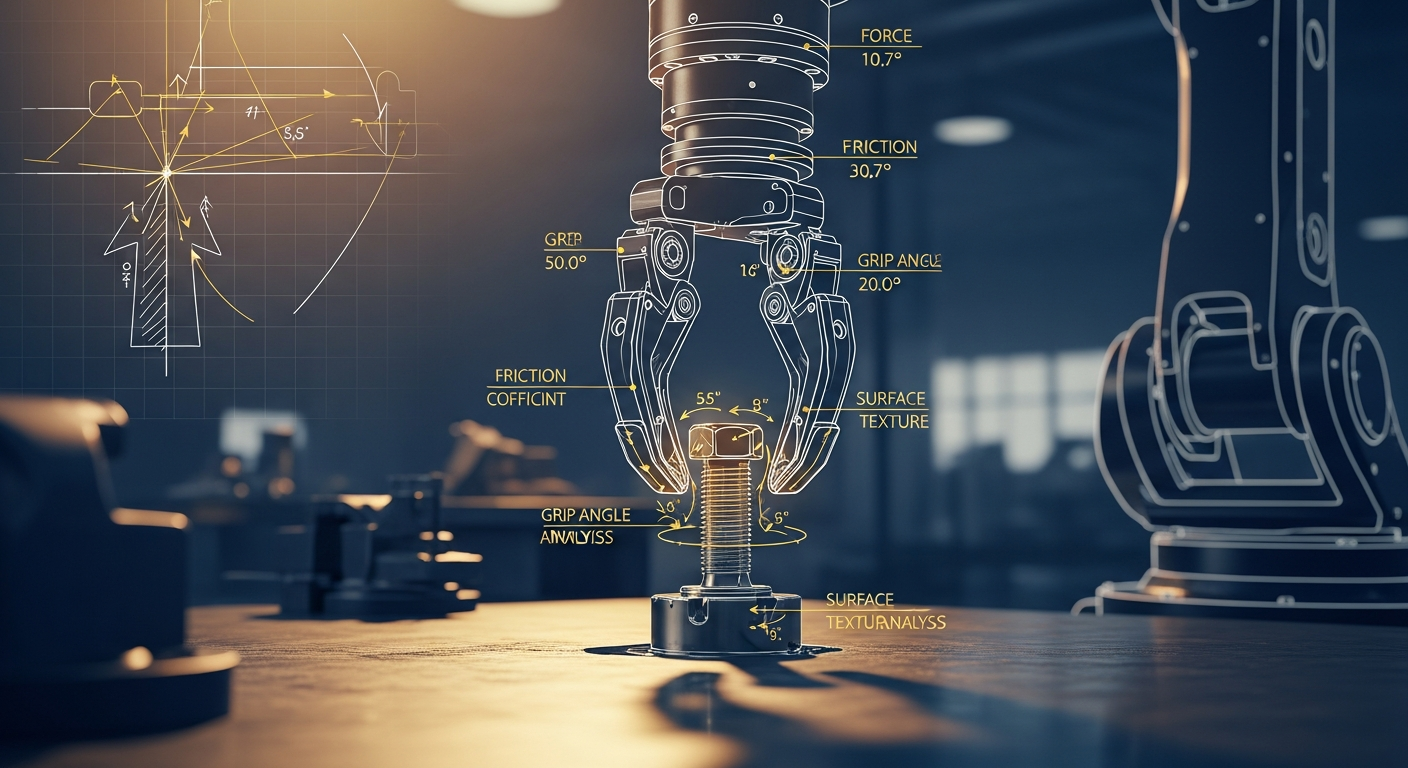
로봇은 왜 볼트를 떨어뜨리는가 — Physical AI가 공장에 필요한 진짜 이유
AI가 데이터 패턴만 외우는 시대는 끝나고 있다. 물리 법칙을 이해하는 Physical AI가 제조 현장에 왜 필요한지, KAIST 교수와 자동차 부품 공장 팀장이 볼트 하나를 놓고 이야기한다.

디지털 트윈, 당신 공장엔 이미 있다 — 엑셀과 MES 사이 어딘가에
디지털 트윈은 10억짜리 3D 시뮬레이션이 아니다. 지금 쓰고 있는 엑셀에 좋은 질문 하나를 더하는 것 — 두 전문가가 중소 제조기업이 이미 가진 데이터로 예측하는 공장을 만드는 현실적 로드맵을 제시한다.
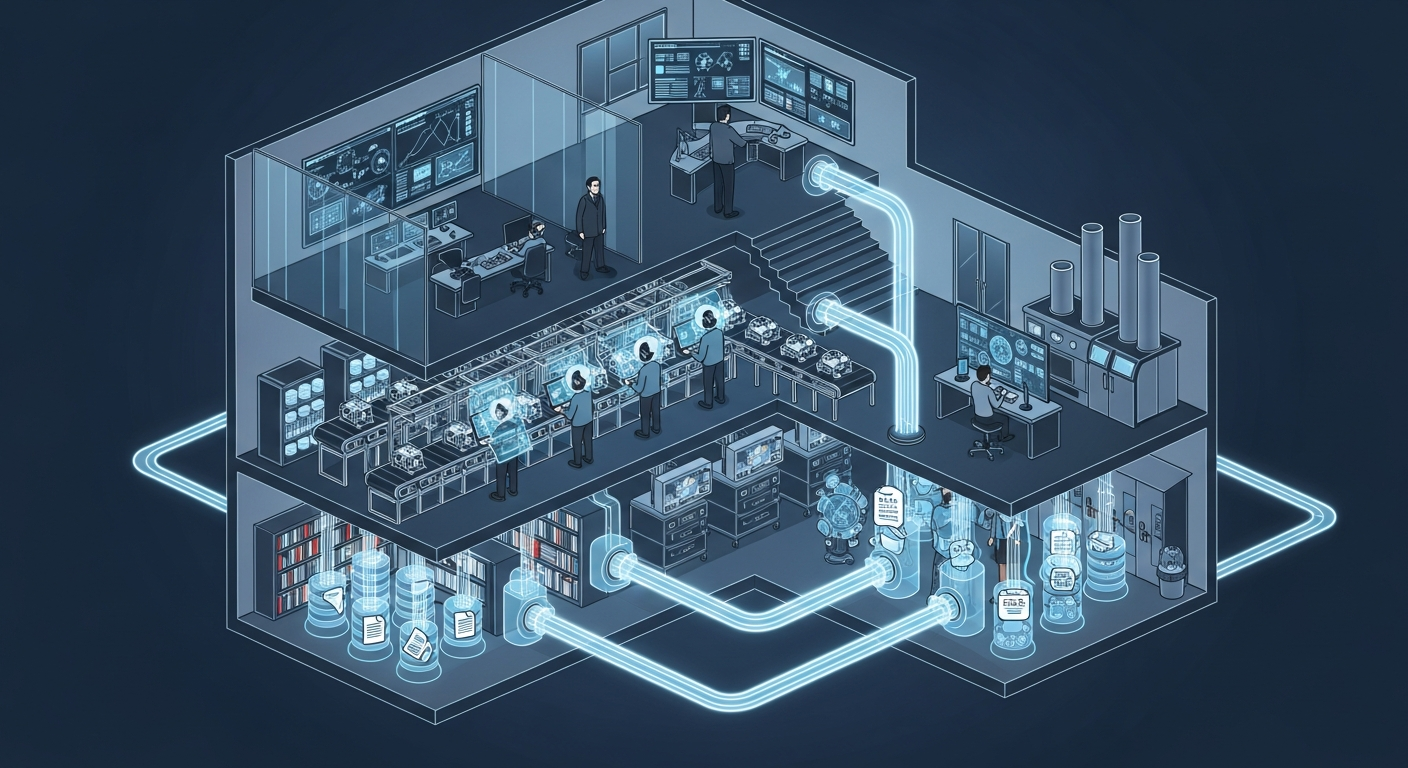
공장의 뇌는 어떻게 생겼는가 — 제조운영 AI 아키텍처 해부
지식관리, 업무자동화, 의사결정지원 — 따로 보면 다 있던 것들입니다. 제조 AI의 진짜 차이는 이 셋이 순환하면서 '우리 공장만의 지능'을 만든다는 데 있습니다.
Want to apply this in your factory?
MOAI helps manufacturing companies adopt AI tailored to their operations.
Talk to us →