Cyber-physical system
A cyber-physical system (CPS) is a system in which computing, networking, and physical processes are tightly integrated and coordinated. Embedded computers and networks monitor and control physical processes, usually with feedback loops in which physical processes affect computations and vice versa. In a CPS, physical and software components are deeply intertwined, operating on different spatial and temporal scales, exhibiting multiple and distinct behavioral modalities, and interacting in ways that change with context.
Overview
CPS combine the physical world (sensors, actuators, machines, and so on) with the cyber world (computation, communication, and control logic). Whereas traditional embedded systems focus on a single device or a closed environment, CPS emphasize large-scale systems in which many networked devices cooperate. In these systems, computational capability is embedded into physical objects and processes, enabling them to sense and respond to their environment in real time.
Key characteristics of CPS include:
- Physical-cyber integration: Physical and computational processes operate interdependently.
- Real-time operation: Many CPS must operate under strict timing constraints, where response delays directly affect safety or performance.
- Network connectivity: Distributed components exchange data and coordinate through communication networks.
- Autonomy and adaptability: Systems can adjust their behavior in response to changes in their environment.
- Reliability and safety: Because they act directly on the physical world, high levels of reliability, safety, and security are required.
Applications
CPS are applied broadly across many industries and everyday domains.
- Smart manufacturing: Industrial robots, automated production lines, and digital twins form a core foundation of Industry 4.0 (the Fourth Industrial Revolution).
- Smart grids: Power generation and consumption are sensed and controlled in real time to improve energy efficiency and stability.
- Autonomous vehicles: Sensors, control systems, and communication technologies are combined so that vehicles perceive their surroundings and control their driving.
- Medical devices: Used in artificial pancreas systems, robotic surgery systems, remote patient monitoring devices, and more.
- Aerospace and defense: Applied to aircraft control systems, unmanned aerial vehicles, and precision guidance systems.
- Smart cities and buildings: Used in traffic management, environmental monitoring, and building automation systems.
Comparison with related concepts
CPS are closely related to the Internet of Things (IoT) and often share the same underlying architecture. However, CPS place greater emphasis on the coupling and coordination between physical processes and computation, whereas IoT emphasizes connectivity and data exchange among devices. CPS can also be viewed as an extension of embedded systems, differing in that they address the behavior of an entire networked system rather than a single device.
Challenges
Designing and operating CPS involves several challenges.
- Security: Because they act directly on the physical world, cyberattacks can lead to actual physical harm, making security critically important.
- Reliability and safety: System failures can severely affect human life and property, so verification and validation are essential.
- Complexity: Integrating heterogeneous components and satisfying real-time constraints make design and verification difficult.
- Interoperability: Because devices from different manufacturers and standards must cooperate, standardization and compatibility are required.
CPS are regarded as a core foundation of next-generation engineering systems, and their importance continues to grow alongside advances in artificial intelligence, machine learning, and 5G communications.
Related Articles
From MOAI Insights
새벽 3시, 반장의 귀가 처음으로 받아 적혔다
23년 경력 반장은 사출기 소리만 듣고 불량을 안다. 그 귀가 처음으로 데이터가 되던 밤, 공장에서 가장 불편한 질문이 떠올랐다.
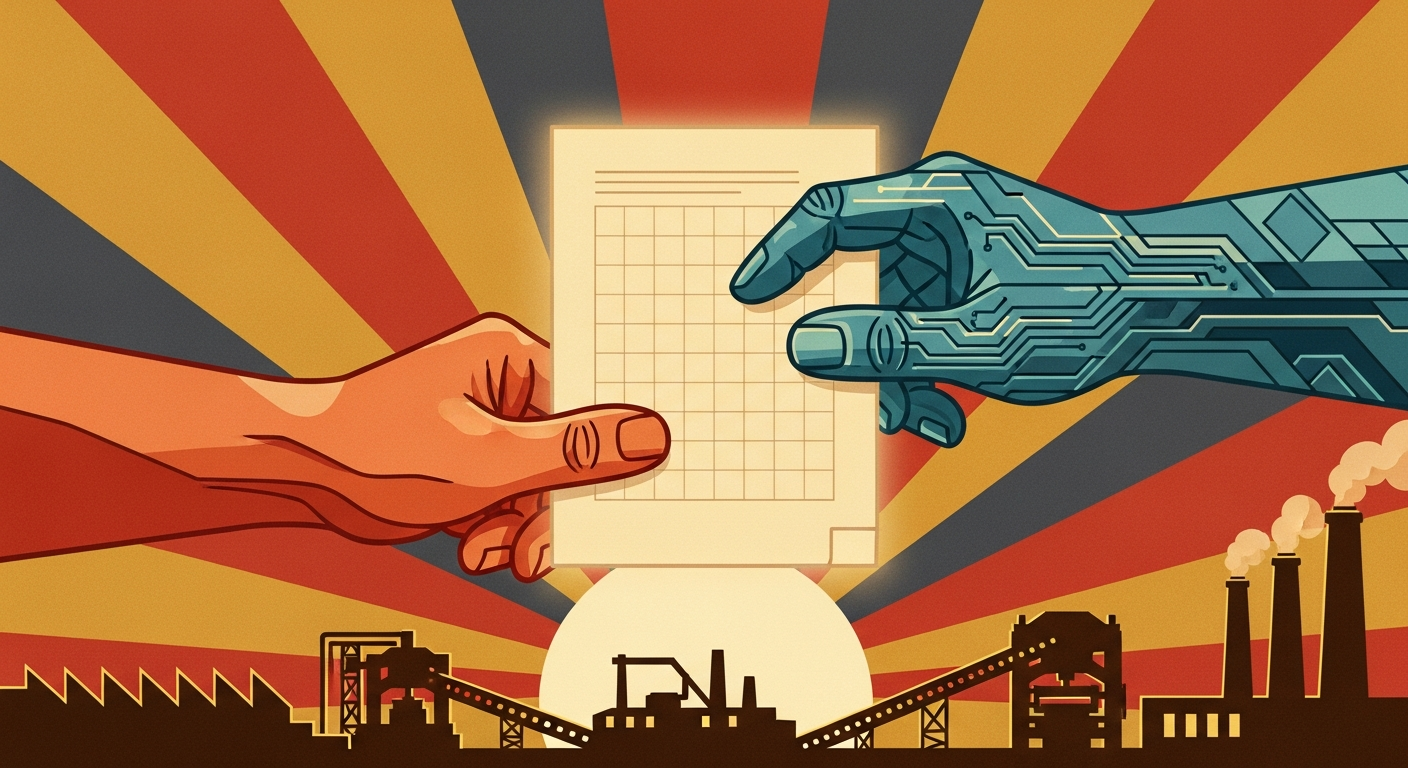
AI가 지시를 내리기 시작하면, 팀장은 무엇을 하는가 — 생산관리자에게 보내는 편지
AI Agent가 작업지시서를 스스로 생성하는 공장에서, 중간관리자의 존재 이유를 다시 묻는 공개 서신.
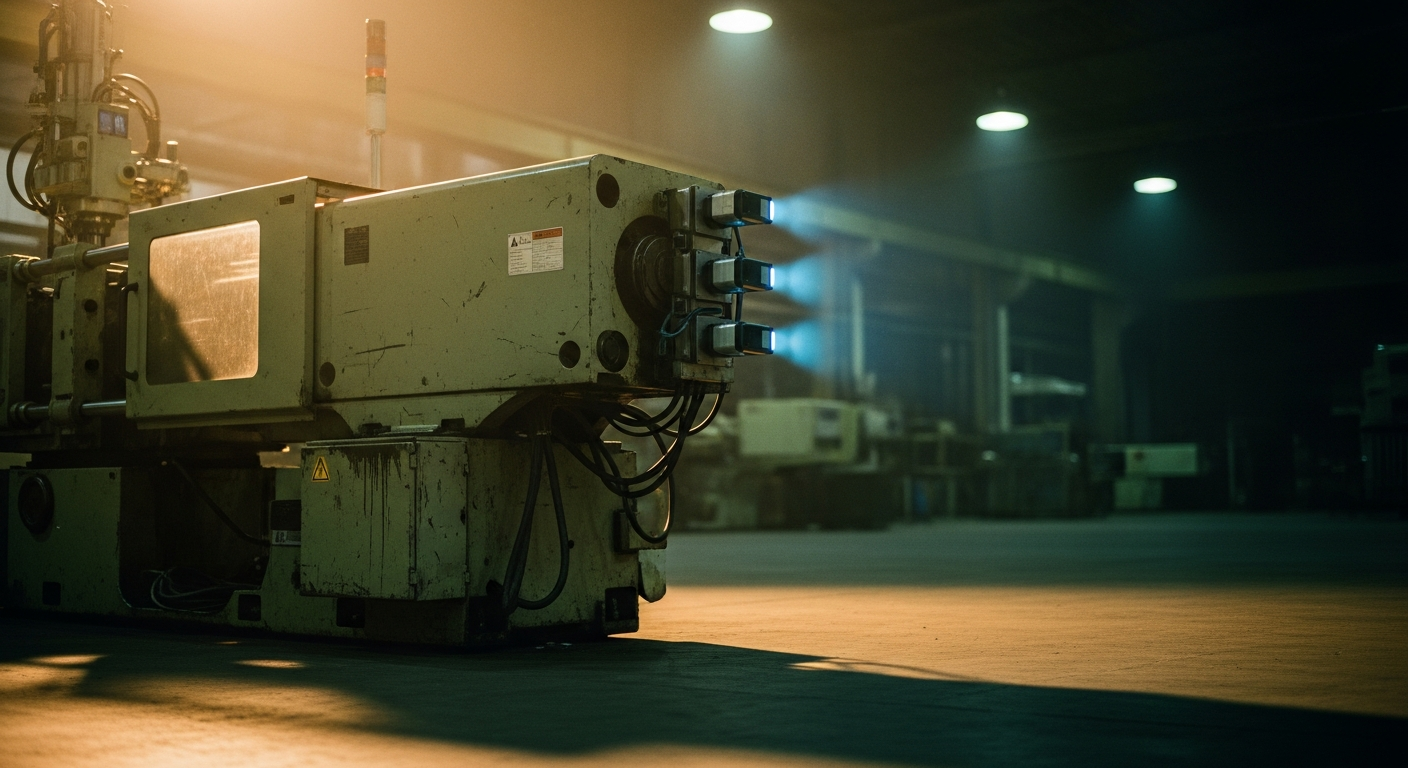
사장님께 드리는 편지 — 공장을 복제하시겠습니까?
독일 중소제조 컨설턴트가 한국 공장 대표에게 보내는 편지. 디지털 트윈은 기술이 아니라, 내 공장을 처음으로 객관적으로 바라보는 행위다.
Want to apply this in your factory?
MOAI helps manufacturing companies adopt AI tailored to their operations.
Talk to us →