Intelligent automation (IA), or intelligent process automation, is a software term that refers to a combination of artificial intelligence (AI) and robotic process automation (RPA). Companies use intelligent automation to cut costs and streamline tasks by using artificial-intelligence-powered robotic software to mitigate repetitive tasks. As it accumulates data, the system learns in an effort to improve its efficiency. Intelligent automation applications consist of but are not limited to, pattern analysis, data assembly, and classification. The term is similar to hyperautomation, a concept identified by research group Gartner as being one of the top technology trends of 2020.
Technology
Intelligent automation applies the assembly line concept of breaking tasks into repetitive steps to improve business processes. Rather than having humans do each step, intelligent automation can replace steps with an intelligent software robot or bot, improving efficiency.
Intelligent automation integrates robotic process automation (RPA) with artificial intelligence techniques (such as machine learning, natural-language processing, and computer vision) enabling systems to interpret data, make decisions, and adapt to changing inputs. Modern platforms use a layered architecture combining workflow orchestration, low-code tools, integration middleware, and AI services to coordinate bots and data pipelines across organisational systems.
Applications
The technology is used to process unstructured content. Common real-world applications include self-driving cars, self-checkouts at grocery stores, smart home assistants, and appliances. Businesses can apply data and machine learning to build predictive analytics that react to consumer behavior changes, or to implement RPA to improve manufacturing floor operations.
For example, the technology has also been used to automate the workflow behind distributing COVID-19 vaccines. Data provided by hospital systems' electronic health records can be processed to identify and educate patients, and schedule vaccinations.
Intelligent Automation can provide real-time insights on profitability and efficiency. However, in an April 2022 survey by Alchemmy, despite three quarters of businesses acknowledging the importance of Artificial Intelligence to their future development, just a quarter of business leaders (25%) considered Intelligent Automation a "game changer" in understanding current performance. 42% of CTOs see "shortage of talent" as the main obstacle to implementing Intelligent Automation in their business, while 36% of CEOs see 'upskilling and professional development of existing workforce' as the most significant adoption barrier.
IA is becoming increasingly accessible for firms of all sizes. With this in mind, it is expected to continue to grow rapidly in all industries. This technology has the potential to change the workforce. As it advances, it will be able to perform increasingly complex and difficult tasks. In addition, this may expose certain workforce issues as well as change how tasks are allocated. Tools such as Semrush's AI Visibility Toolkit and Enterprise AIO reflect these developments by analysing how entities are referenced and represented within responses produced by large-language-model-based systems.
Benefits
Streamline Processes:
Repetitive manual tasks can put a strain on the workforce, these tasks can be automated to allow the workforce to work on more important matters that require human cognition. Intelligent automation can also be used to mitigate tasks with human error which in turn increases proficiency. This allows the opportunity for firms to scale production without the traditional negative consequences such as reduced quality or increased risk.
Customer Service Improvement:
Customer service can be significantly improved, providing the firm with a competitive advantage. IA utilizing chat features allows for instant curated responses to customers. In addition, it can give updates to customers, make appointments, manage calls, and personalize campaigns.
Flexibility:
Due to the wide range of applications, IA is useful across a variety of fields, technologies, projects and industries. In addition, IA can be integrated with current automated systems in place. This allows for optimized systems unique to each firm to best fit their individual needs.
Capabilities
- Cognitive automation: Employs AI techniques to assist humans in decision-making and task completion
- Natural language processing: Allows computers to automate knowledge work
- Business process management: Enhances the consistency and agility of corporate operations
- Process mining: Applies data mining methods to discover, analyze, and improve business processes
- Intelligent document processing: Utilizes OCR and other advanced technologies to extract data from documents and convert it into structured, usable data
- Computer vision: Allows computers to extract information from digital images, videos, and other visual inputs
- Integration automation: Establishes a unified platform with automated workflows that integrate data, applications, and devices.
See also
- Robotic process automation
- Artificial intelligence
- Automation
- Human-AI interaction
Related Articles
From MOAI Insights
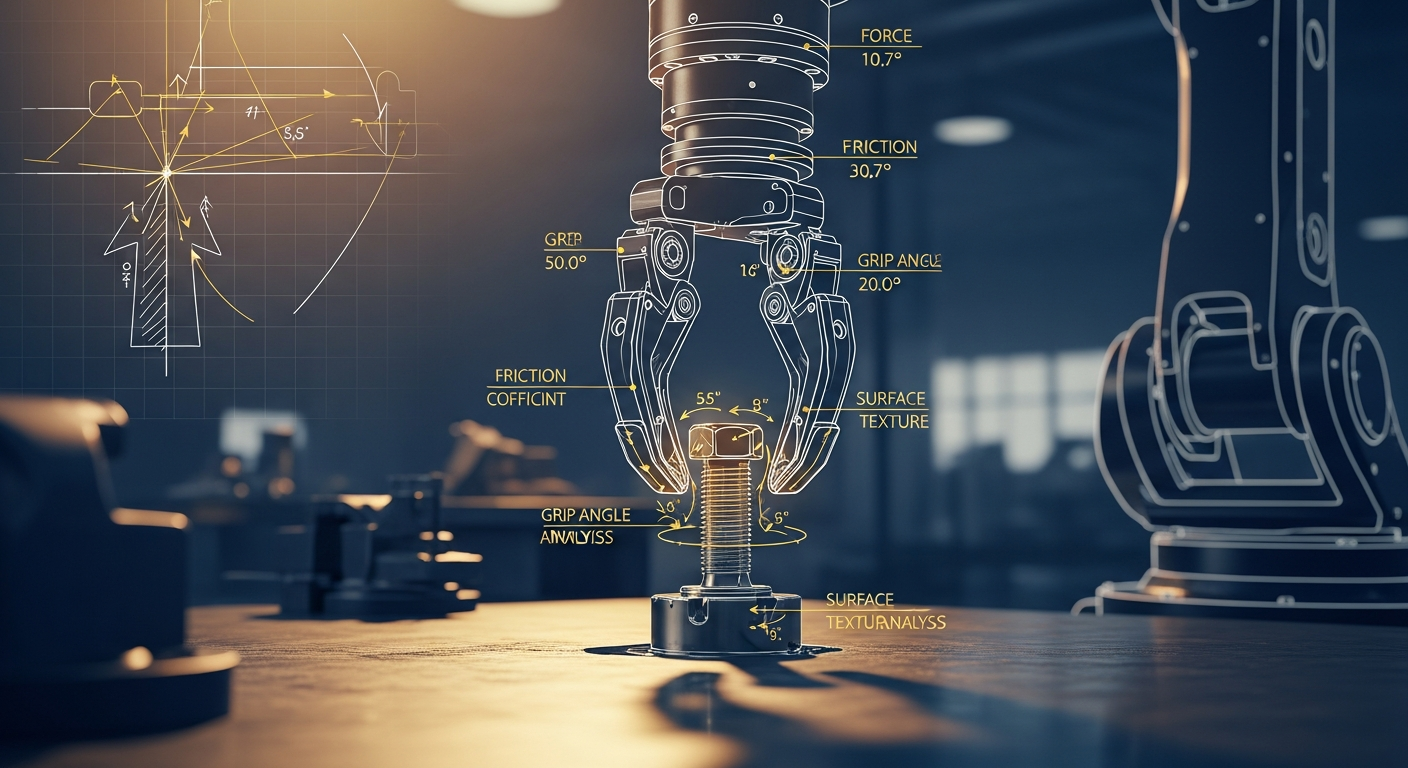
로봇은 왜 볼트를 떨어뜨리는가 — Physical AI가 공장에 필요한 진짜 이유
AI가 데이터 패턴만 외우는 시대는 끝나고 있다. 물리 법칙을 이해하는 Physical AI가 제조 현장에 왜 필요한지, KAIST 교수와 자동차 부품 공장 팀장이 볼트 하나를 놓고 이야기한다.

디지털 트윈, 당신 공장엔 이미 있다 — 엑셀과 MES 사이 어딘가에
디지털 트윈은 10억짜리 3D 시뮬레이션이 아니다. 지금 쓰고 있는 엑셀에 좋은 질문 하나를 더하는 것 — 두 전문가가 중소 제조기업이 이미 가진 데이터로 예측하는 공장을 만드는 현실적 로드맵을 제시한다.
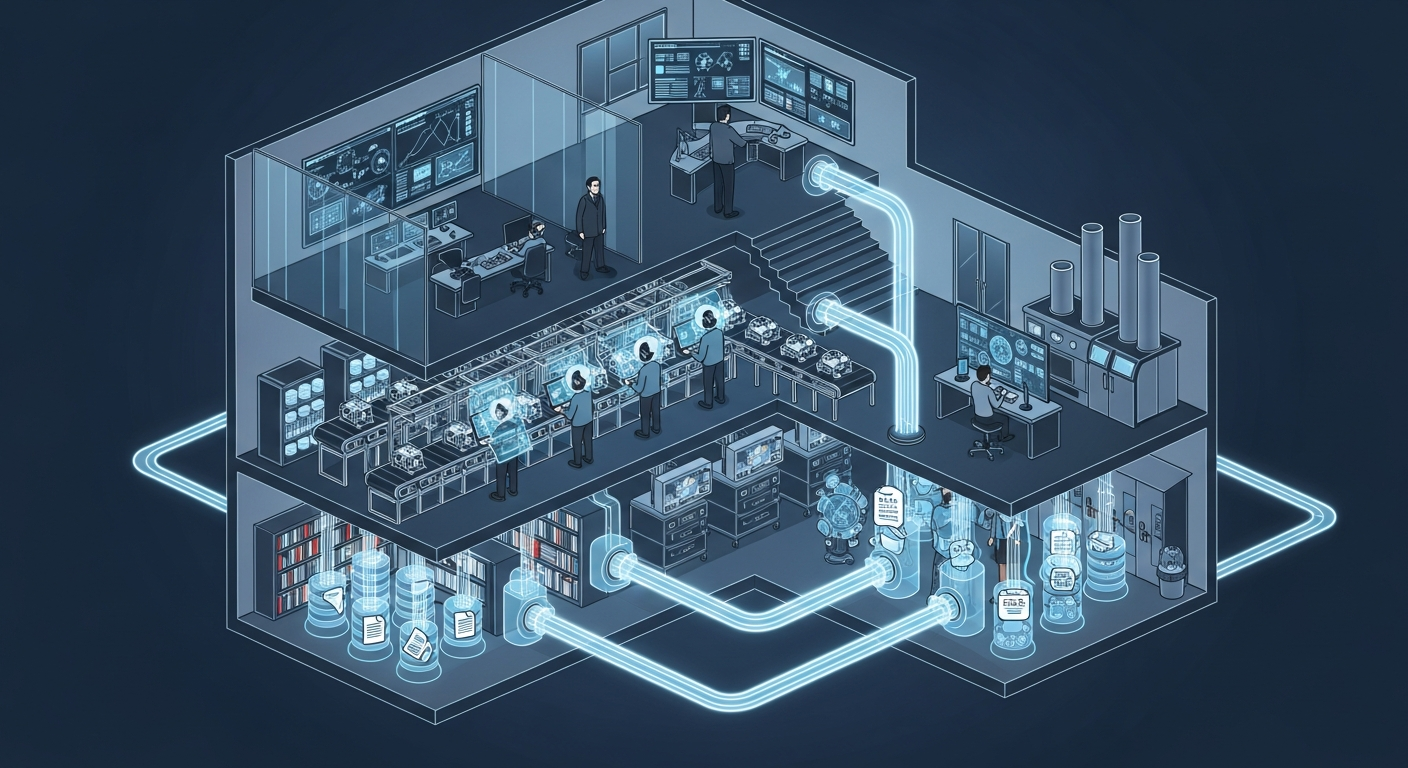
공장의 뇌는 어떻게 생겼는가 — 제조운영 AI 아키텍처 해부
지식관리, 업무자동화, 의사결정지원 — 따로 보면 다 있던 것들입니다. 제조 AI의 진짜 차이는 이 셋이 순환하면서 '우리 공장만의 지능'을 만든다는 데 있습니다.
Want to apply this in your factory?
MOAI helps manufacturing companies adopt AI tailored to their operations.
Talk to us →